← All Functions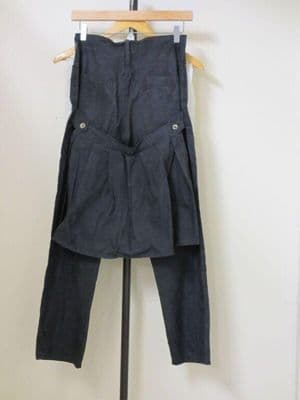
workwear
37 garments across eras and cultures
Garments















Connections
Deconstructivism → Deconstructivism · 30yr78%
SHARED
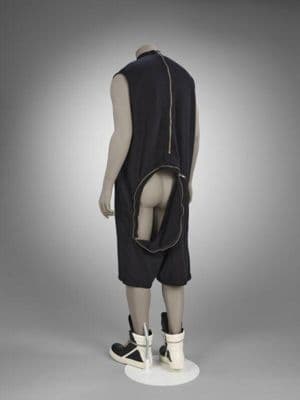
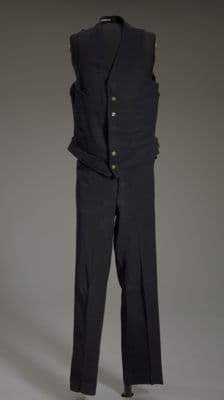
These two pieces trace the evolution of deconstructivist fashion's obsession with turning the body into a site of architectural experiment. The earlier trousers with their detachable apron-like flap and utilitarian snaps suggest a kind of industrial pragmatism—clothing as modular system—while the later draped bodysuit with its strategic cutouts and zip closures pushes that same logic toward something more theatrical and body-conscious.
Influences·Japanese avant-garde tailoringInfluences·deconstructionist fashionFunction·avant-garde