SMITHSONIAN
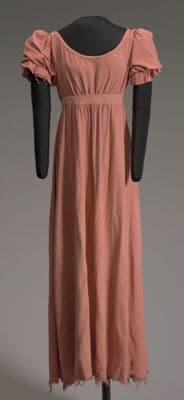
Dusty Rose Cotton Plantation Work Dress
2000s · 2010s · American
Production
handmade
Material
cotton
Culture
American
Movement
Indie Sleaze
Influences
1850s empire waist work dress · antebellum plantation clothing
A mid-19th century work dress constructed from plain cotton in a muted rose tone. The garment features a high empire waistline with gathered fabric beneath the bust, creating the characteristic silhouette of 1840s-1850s working-class dress. Short puffed sleeves are gathered at the shoulder and cuffed at the arm. The bodice appears to have a square or rounded neckline. The skirt falls in natural folds from the high waist to floor length, typical of practical work garments that required freedom of movement. The construction is simple and functional, reflecting the utilitarian nature of enslaved persons' clothing during the antebellum period, made from inexpensive cotton fabric in earth-toned colors.
dressfit and flarescoop neckmaxi
Connected To
Worn with·chemiseWorn with·petticoatFunction·workwear
Echoes Across Time
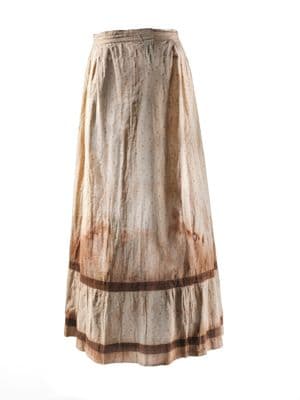
2000s → Victorian Early / Crinoline · 160yr59%
SHARED
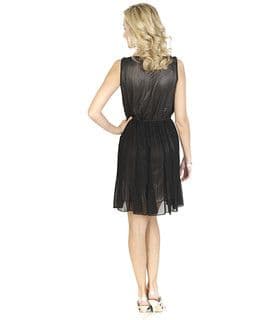
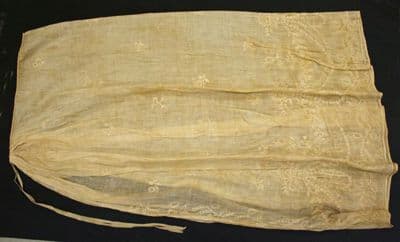
These two garments reveal how the empire waist—that high-cut line just beneath the bust—has served as both fashion statement and practical solution across centuries of American cotton culture. The Victorian work skirt's gathered waistband sits at the same elevated position as the 2000s dress's smocked bodice, both designed to accommodate the female form while allowing freedom of movement for labor.
Worn with·chemiseWorn with·petticoatFunction·workwear
Pull the Thread→
Follow this garment wherever the graph leads