SMITHSONIAN
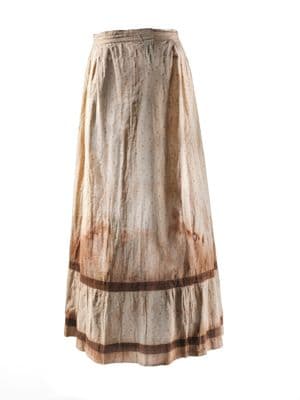
Cotton Work Skirt with Gathered Waistband
Victorian Early / Crinoline · 1850s · African American
Production
handmade
Material
cotton
Culture
African American
A full-length cotton skirt with gathered waistband construction typical of mid-19th century working-class garments. The fabric shows natural aging with brown staining and discoloration throughout, particularly concentrated at the hem area. The skirt features a simple A-line silhouette that would have been worn over a chemise and petticoat. Horizontal banding near the hem suggests either decorative trim or structural reinforcement. The cotton appears to be a plain weave, likely homespun or inexpensive mill cloth. The garment's construction reflects practical needs over fashion, with sturdy seaming appropriate for daily labor. The substantial length and fullness indicate adherence to period modesty standards while allowing for movement during work.
skirta-linefloor length
Connected To
Worn with·chemiseWorn with·petticoatFunction·workwear
SHARED160 years · cross-culture · cross-category
These two garments reveal how the empire waist—that high-cut line just beneath the bust—has served as both fashion statement and practical solution across centuries of American cotton culture. The Victorian work skirt's gathered waistband sits at the same elevated position as the 2000s dress's smocked bodice, both designed to accommodate the female form while allowing freedom of movement for labor.
Text72%
Image84%
Function·workwear
SHARED170 years · cross-culture · cross-category
Text50%
Image69%
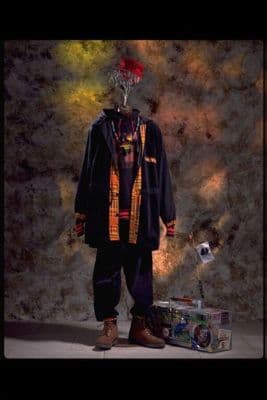
Function·workwear
SHARED140 years · cross-culture · cross-category
Text38%
Image68%
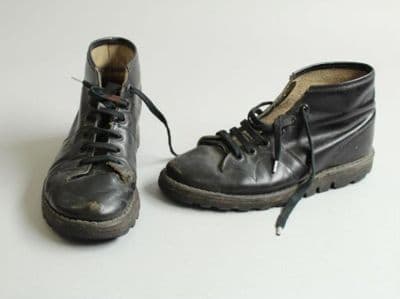
Function·workwear
SHARED80 years · cross-culture · cross-category
Text40%
Image70%
Echoes Across Time
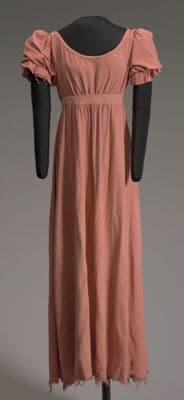
2000s → Victorian Early / Crinoline · 160yr59%
SHARED
These two garments reveal how the empire waist—that high-cut line just beneath the bust—has served as both fashion statement and practical solution across centuries of American cotton culture. The Victorian work skirt's gathered waistband sits at the same elevated position as the 2000s dress's smocked bodice, both designed to accommodate the female form while allowing freedom of movement for labor.
Worn with·chemiseWorn with·petticoatFunction·workwear
Pull the Thread→
Follow this garment wherever the graph leads