FASHIONPEDIA
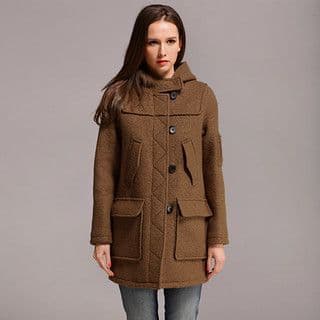
Camel Brown Wool Blend Hooded Utility Coat
2010s · 2020s · Western
Production
ready-to-wear
Material
wool blend
Culture
Western
Movement
Utility Movement · Gorpcore
Influences
military greatcoat styling · utility clothing regulations
A knee-length hooded coat in camel-colored wool blend featuring a boxy, utilitarian silhouette characteristic of 1940s wartime fashion. The coat displays large patch pockets positioned at hip level, a wide lapel collar that transitions into an attached hood, and front button closure with dark buttons. The sleeves are full and straight, contributing to the overall rectangular shape that prioritized fabric efficiency and practicality over fitted tailoring. The substantial weight of the wool blend fabric creates clean lines without excessive draping, while the neutral brown tone reflects the restrained color palette of utility clothing during fabric rationing periods.
coatregular fithigh neckhip length
Connected To
Influences·utility clothing regulations
SHARED80 years · cross-culture · cross-category
These two pieces trace the long shadow of wartime utility regulations, though separated by eight decades and entirely different purposes.
Echoes Across Time
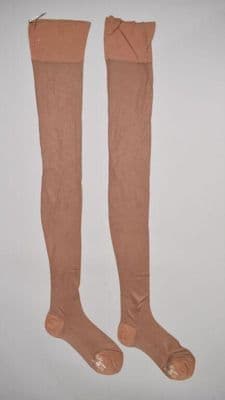
2010s → Great Depression · 80yr67%
SHARED
These two pieces trace the long shadow of wartime utility regulations, though separated by eight decades and entirely different purposes.
Influences·utility clothing regulations
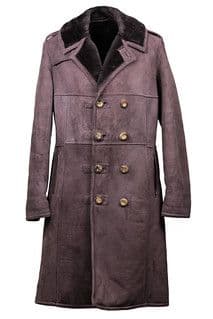
2010s → Wartime / Utility Fashion · 80yr67%
SHARED
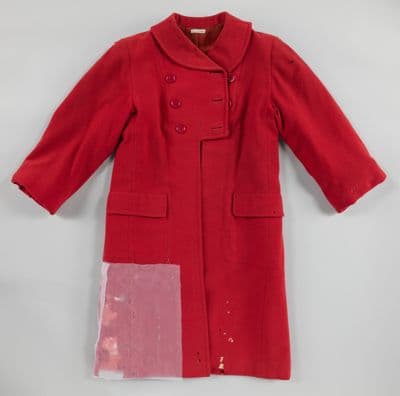
These two coats speak the same military language with different accents—both borrowing the authoritative stance of wartime greatcoats but translating it for civilian life decades apart. The contemporary hooded coat softens the martial edge with its relaxed proportions and casual toggle closures, while the vintage double-breasted piece maintains the crisp discipline of its military DNA through sharp lapels and regimental button placement.
Pull the Thread→
Follow this garment wherever the graph leads