SMITHSONIAN
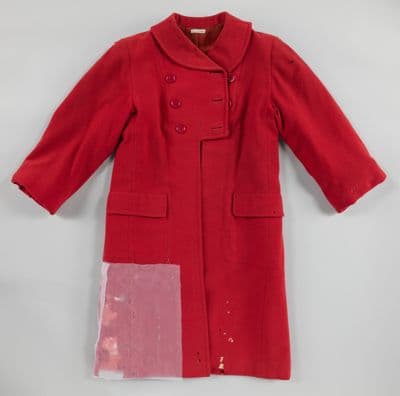
Red Double-Breasted Wool Military Coat
1950s · 1960s · American
Production
ready-to-wear
Material
wool twill
Culture
American
Movement
New Look / Post-War
Influences
1940s military tailoring · Chanel suit jacket construction
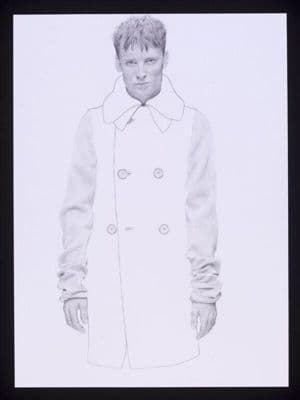
A structured red wool coat featuring classic double-breasted construction with two rows of buttons down the front. The coat displays a notched collar that lies flat against the chest, creating clean geometric lines typical of 1960s tailoring. Two patch pockets sit at hip level, providing both functional storage and visual balance to the silhouette. The three-quarter length sleeves end just below the elbow, a proportional detail common in mid-century women's coatmaking. The wool twill fabric appears substantial and holds its shape well, creating crisp edges at the collar, lapels, and pocket flaps. The overall length extends to approximately mid-thigh, offering coverage while maintaining the streamlined aesthetic favored during the Atomic Age period.
coatstraightknee length
Connected To
Influences·1940s military tailoring
SHARED20 years · cross-culture
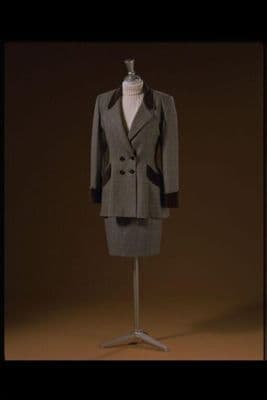
That red coat's military precision—the double-breasted stance, the structured shoulders, the regimental button spacing—carries the DNA of 1940s wartime tailoring into civilian life, where power dressing meant borrowing from the boys' club. Three decades later, the gray suit amplifies that same authoritarian geometry, but where the coat whispers discipline through its neat proportions, the suit shouts it through exaggerated shoulders and a longer, more commanding silhouette.
Echoes Across Time
Pull the Thread→
Follow this garment wherever the graph leads