THE MET
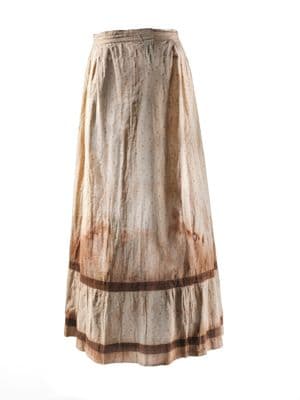
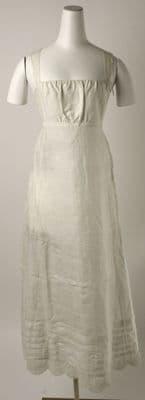
White Linen Empire Waist A-Line Petticoat
Empire / Regency · 1800s · American
Production
handmade
Material
linen
Culture
American
Influences
neoclassical columnar silhouette
This Empire-era petticoat features the characteristic high waistline typical of early 19th century undergarments. The white linen construction shows a fitted bodice with short sleeves and a square neckline, gathered into a long, straight-falling skirt that extends to floor length. The fabric appears to be plain-woven linen with a smooth, utilitarian finish. The high empire waistline sits just below the bust, creating the columnar silhouette essential for supporting the fashionable neoclassical dress styles of the period. The construction appears to be hand-sewn with functional rather than decorative stitching, reflecting its role as a foundational undergarment worn beneath the lightweight muslin and cotton gowns popular during the Regency period.
dressa-linesquare necklinefloor length
Connected To
Worn with·chemiseWorn with·gownWorn with·stays
SHARED20 years · cross-culture · cross-category
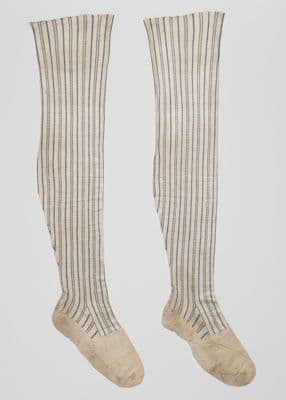
These pieces share the understated elegance of neoclassical restraint—the petticoat's clean empire line and the stockings' precise vertical ribbing both reject the baroque excess that came before. The linen's crisp simplicity and the stockings' disciplined stripes speak the same visual language of refined geometry, where ornamentation comes from perfect proportions rather than applied decoration.
Pull the Thread→
Follow this garment wherever the graph leads