SMITHSONIAN
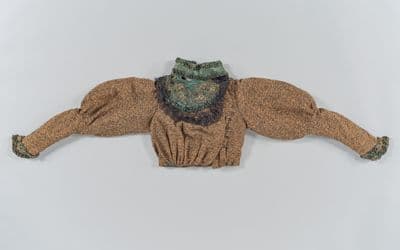
Brown Wool Bodice and Skirt with Green Silk Trim
Fin de Siecle / Gibson Girl · 1900s · African American
Production
handmade
Material
silk wool blend
Culture
African American
Influences
Gibson Girl silhouette · leg-of-mutton sleeve variation
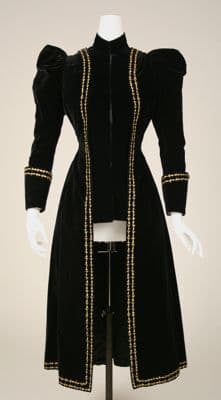
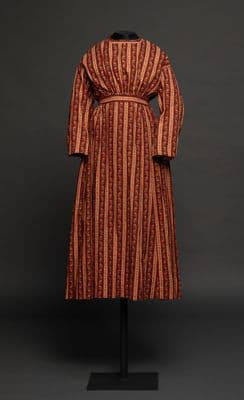
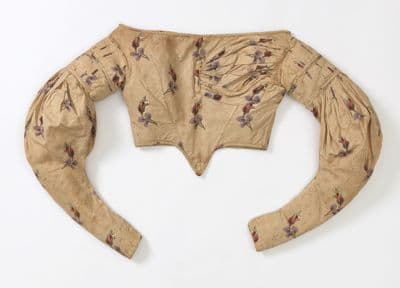
This fitted bodice displays the characteristic silhouette of the 1900s with its pronounced gathered sleeves that taper to fitted cuffs at the wrists. The brown silk-wool blend fabric creates a substantial foundation, while the distinctive green and gold decorative collar provides ornamental contrast. The bodice shows evidence of internal structure typical of the era's corseted construction, creating the desired hourglass silhouette. The sleeve fullness is concentrated at the shoulder and upper arm, following the period's preference for dramatic sleeve volume that balanced the narrow waist. The decorative collar treatment suggests this was a garment for respectable social occasions rather than everyday wear.
dressfit and flarehigh neckfloor length
Connected To
Influences·Gibson Girl silhouetteWorn with·chemise
SHARED10 years · cross-culture · cross-category
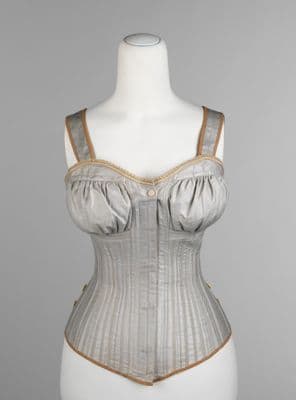
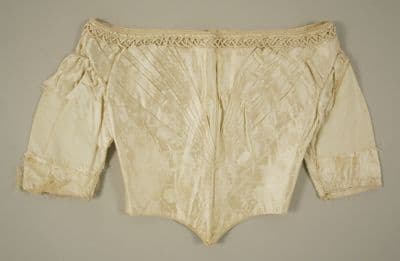
These two garments reveal how the Gibson Girl's commanding silhouette crossed every social boundary at the turn of the century, demanding the same architectural precision whether you were lacing into a pale blue coutil corset or cinching a wool bodice with jade silk trim. The corset's rigid vertical boning and the bodice's fitted torso both engineer that distinctive S-curve—the thrust-forward bust over a wasp waist that made every woman look like she could run a railroad company.
Echoes Across Time
Pull the Thread→
Follow this garment wherever the graph leads