1960s · 1960s · American
Production
ready-to-wear
Material
synthetic chiffon
Culture
American
Movement
Space Age
Influences
1960s shift dress silhouette · empire waist revival
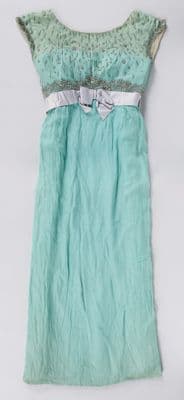
A sleeveless evening dress in turquoise synthetic chiffon featuring a high empire waistline marked by a white ribbon sash with bow detail. The bodice displays intricate beadwork or sequined embellishment creating textural interest across the chest area. The dress falls in a straight, columnar silhouette from the high waist to floor length, characteristic of 1960s evening wear that moved away from fitted waists. The lightweight chiffon fabric creates subtle draping and movement. The sleeveless design with a modest round neckline reflects the decade's shift toward simpler, more geometric silhouettes while the beaded bodice adds formal glamour appropriate for evening occasions.
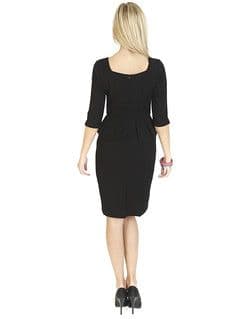
These dresses are separated by five decades but united by the democratic promise of synthetic fabrics—both use man-made materials to deliver sophisticated silhouettes at accessible price points. The 1960s turquoise number, with its beaded bodice and flowing chiffon skirt, represents the era's optimistic belief that synthetic fabrics could democratize glamour, while the black ponte knit sheath translates that same accessibility into the sleek, body-conscious vocabulary of the 2000s.


These dresses are separated by five decades but united by the democratic promise of synthetic fabrics—both use man-made materials to deliver sophisticated silhouettes at accessible price points. The 1960s turquoise number, with its beaded bodice and flowing chiffon skirt, represents the era's optimistic belief that synthetic fabrics could democratize glamour, while the black ponte knit sheath translates that same accessibility into the sleek, body-conscious vocabulary of the 2000s.

Follow this garment wherever the graph leads
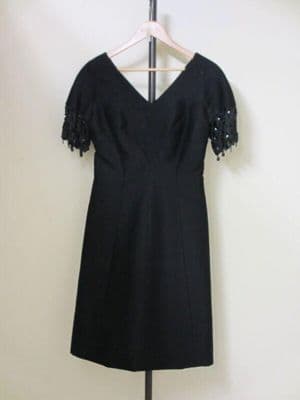
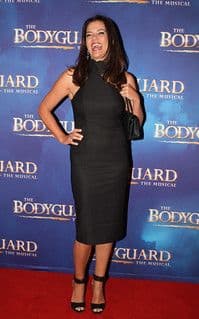
These two dresses capture the precise moment when cocktail dressing pivoted from the structured formality of the 1950s to the youthful ease of the 1960s. The black dress still carries the architectural DNA of mid-century tailoring—notice that fitted bodice and the way the skirt holds its shape—but those delicate lace sleeves hint at the softer romance that would soon take over.
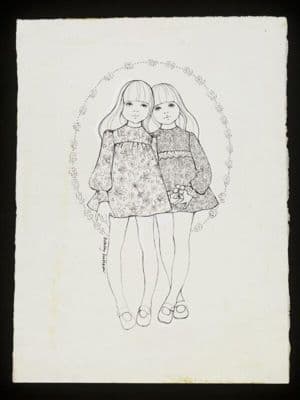
The mint chiffon dress carries the 1960s shift's high-waisted empire line and A-line ease, but dressed up with beaded bodice detailing and a pink sash that reads more party dress than revolution. The illustration's twin girls wear the same DNA stripped down to its essence—those loose, straight-hanging smocks with their gathered yokes are the shift dress reimagined for childhood, all the sophisticated minimalism intact but freed from any pretense of glamour.
Both dresses speak the same teal-turquoise language, but they're having entirely different conversations. The 1960s gown whispers with its delicate beaded bodice and flowing chiffon—it's formal wear that still remembers when getting dressed up meant something ceremonial. The 1990s shift, by contrast, shouts its simplicity: clean lines, no fuss, the kind of dress that could go from office to dinner without breaking a sweat.

Both dresses speak the same teal-turquoise language, but they're having entirely different conversations. The 1960s gown whispers with its delicate beaded bodice and flowing chiffon—it's formal wear that still remembers when getting dressed up meant something ceremonial. The 1990s shift, by contrast, shouts its simplicity: clean lines, no fuss, the kind of dress that could go from office to dinner without breaking a sweat.