FASHIONPEDIA
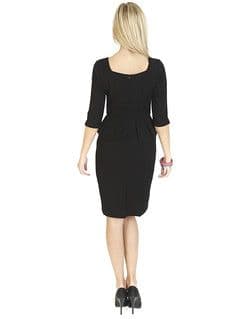
Black Ponte Knit Pencil Sheath Dress
2000s · 2010s · Western
Production
ready-to-wear
Material
ponte knit
Culture
Western
Movement
Indie Sleaze
Influences
1960s shift dress silhouette
A black ponte knit sheath dress with three-quarter sleeves and a knee-length hemline. The garment features a fitted silhouette that follows the body's natural curves without excess fabric. The ponte knit material provides structure and stretch, creating a smooth, professional appearance. The scoop neckline is modest and workplace-appropriate. The three-quarter sleeves end mid-forearm, offering coverage while maintaining a polished look. The dress hits at the knee, adhering to conservative business dress codes of the power dressing era. The ponte fabric's weight and recovery properties ensure the garment maintains its shape throughout wear, embodying the practical yet authoritative aesthetic that defined professional women's fashion in the 1980s corporate environment.
dresspencilscoop neckknee length
Connected To
Influences·1960s shift dress silhouetteTechnique·machine-weaving
SHAREDsame era · cross-culture
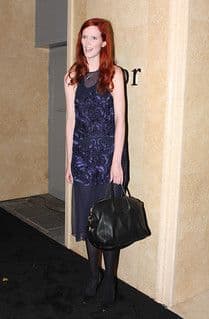
These dresses reveal how the minimalist shift evolved into the body-conscious sheath over a decade's span. The navy dress maintains the 1960s-born ease of a sleeveless shift — that textured knit skims rather than clings, creating gentle movement through the torso — while the black dress pulls that same essential silhouette taut against the body with ponte's engineered stretch.
Echoes Across Time
2000s → 1960s · 50yr60%
SHARED
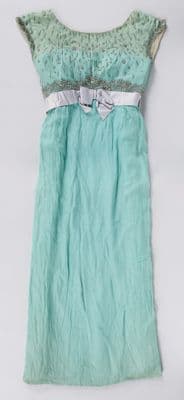
These two dresses reveal how the 1960s shift dress became fashion's most enduring template, morphed across five decades into countless iterations. The turquoise chiffon number, with its empire waist and beaded bodice, carries all the optimistic femininity of mid-century American fashion—that moment when women's clothes got shorter and simpler but kept their decorative flourishes.
Influences·1960s shift dress silhouette
Wartime / Utility Fashion → 2000s · 70yr13%
Pull the Thread→
Follow this garment wherever the graph leads