FASHIONPEDIA
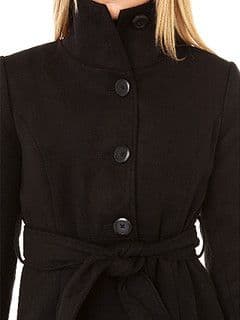
Black Wool Double-Breasted Pea Coat
Wartime / Utility Fashion · 1940s · Western
Production
ready-to-wear
Material
wool
Culture
Western
Influences
naval pea coat · military uniform styling
A black wool pea coat featuring the characteristic double-breasted front with large dark buttons and a high stand-up collar that can be buttoned close to the neck. The coat has a fitted silhouette through the torso with a self-fabric belt that cinches at the waist, creating a defined feminine shape while maintaining the utilitarian military aesthetic. The wool appears to be a medium-weight fabric suitable for outerwear. The button placement and collar construction follow traditional naval pea coat design principles, adapted for civilian women's wear during the wartime period when military-inspired clothing became fashionable and practical.
coatregular fithigh neckhip length
Connected To
Influences·naval pea coat
SHARED80 years
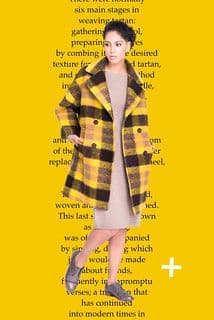
The naval pea coat's DNA runs straight through these two pieces, but where the black version honors the original's buttoned-up discipline with its high collar and belted waist, the striped coat loosens the maritime grip entirely. The contemporary piece keeps the double-breasted bones but ditches the formality—those bold yellow and black stripes read more Parisian art student than ship's officer, and the shorter length suggests someone who wants the pea coat's authority without its weight.
Echoes Across Time
Wartime / Utility Fashion → 2010s · 80yr67%
SHARED
The naval pea coat's DNA runs straight through these two pieces, but where the black version honors the original's buttoned-up discipline with its high collar and belted waist, the striped coat loosens the maritime grip entirely. The contemporary piece keeps the double-breasted bones but ditches the formality—those bold yellow and black stripes read more Parisian art student than ship's officer, and the shorter length suggests someone who wants the pea coat's authority without its weight.
Influences·naval pea coat

1980s → Wartime / Utility Fashion
Pull the Thread→
Follow this garment wherever the graph leads