FASHIONPEDIA
Black Wool Double-Breasted Military Coat
1980s · 2020s · Western
Production
ready-to-wear
Material
wool blend
Culture
Western
Movement
Minimalism · Power Dressing
Influences
military uniform styling · minimalist tailoring
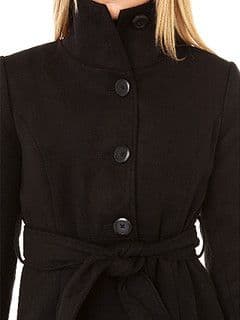
A black double-breasted military-style coat with structured shoulders and clean lines. The garment features prominent button detailing in two vertical rows, creating a sharp, authoritative silhouette. The coat appears to be mid-thigh length with a fitted waist that emphasizes structure without excessive volume. The wool blend fabric has a smooth, matte finish typical of contemporary tailoring. The military inspiration is evident in the button placement and collar construction, while the streamlined cut reflects modern minimalist sensibilities. The coat is styled with black accessories including a quilted handbag and ankle boots, creating a monochromatic ensemble that exemplifies the understated luxury aesthetic of the 2020s.
coatregularmini
Connected To
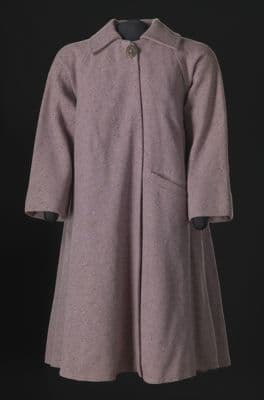
Influences·minimalist tailoringMovement·Minimalism
SHARED30 years · cross-culture
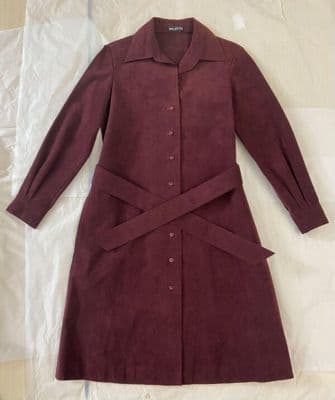
These coats speak the same minimalist language, but with different accents—the black military-inspired piece channels Helmut Lang's austere precision with its knife-sharp lapels and disciplined silhouette, while the lavender swing coat softens that same reductive impulse into something more approachable, trading severity for the gentle A-line that defined '90s American minimalism.
Echoes Across Time
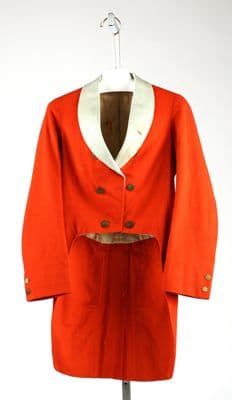
1980s → Victorian Late / Bustle · 140yr62%
SHARED
That black military coat with its razor-sharp lapels and gleaming buttons carries the same authoritative swagger as the scarlet hunting coat's formal tailcoat silhouette, both borrowing the language of masculine power dressing to armor their wearers. The Victorian coat's cream shawl collar and brass fastenings speak to gentlemen's sporting rituals, while the contemporary piece translates that same regimental precision into urban armor—double-breasted discipline for different battlefields.
Influences·military uniform styling
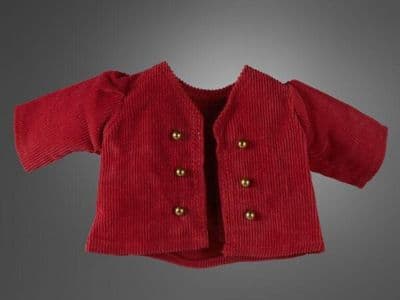
1980s → 1950s
Pull the Thread→
Follow this garment wherever the graph leads