V&A
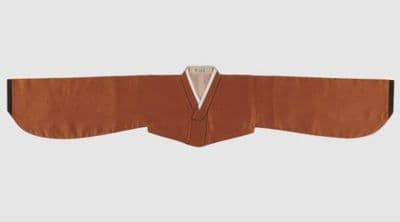
Rust Brown Silk Cropped Bolero Jacket
1980s · 1980s · Korean
Production
ready-to-wear
Material
silk
Culture
Korean
Movement
Power Dressing
Influences
1980s power shoulder · Korean hanbok sleeve proportions
A short cropped jacket with dramatically wide, extended shoulders that create a strong horizontal silhouette characteristic of 1980s power dressing. The garment features a rust-brown silk body with contrasting cream or tan silk lapels and collar trim. The jacket appears to have a simple front closure and ends at approximately waist level. The construction shows clean, geometric lines with minimal surface decoration, emphasizing the architectural shoulder treatment. The wide shoulder span and abbreviated length create the bold, assertive proportions favored in professional women's wear during the power dressing era, while the silk fabrication and earth-toned colorway suggest Korean aesthetic preferences of the period.
jacketloose fitv-neckabove-the-hip
Connected To
Influences·1980s power shoulder
SHARED20 years · cross-culture · cross-category
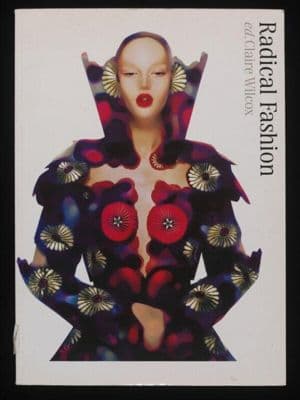
The black jacket's theatrical wing shoulders and the rust bolero's dramatically extended sleeves both spring from the 1980s obsession with architectural shoulders, but they've traveled in opposite directions. Where the bolero achieves its power through pure geometric sweep—those kimono-inspired sleeves stretching like a perfect horizontal line—the wing jacket fractures that same shoulder emphasis into something more sinister, turning floral motifs into armor plating.

Pull the Thread→
Follow this garment wherever the graph leads