V&A
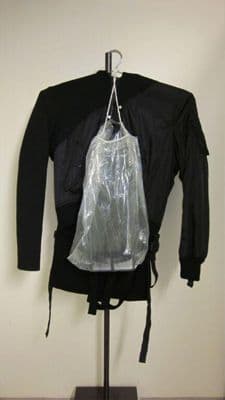
Black Spiked Hood Technical Jacket Ensemble
Deconstructivism · 2000s · American
Designer
Helmut Lang
Production
ready-to-wear
Material
technical fabric
Culture
American
Movement
Deconstructivism
Influences
cyberpunk aesthetics · industrial design
A black technical fabric jacket featuring an integrated hood with dramatic metal spikes protruding from the crown area. The garment displays precise tailoring with clean seaming and a structured silhouette that maintains sharp geometric lines. The hood appears to have a zip closure system, creating a futuristic, almost armor-like aesthetic. Paired with a crisp white shirt visible underneath, the ensemble embodies the experimental, technology-influenced design philosophy characteristic of early 2000s avant-garde fashion. The technical fabric appears to have a matte finish, contributing to the garment's industrial, utilitarian appearance while maintaining sophisticated construction details.
jacketregular fithip length
Connected To
Influences·cyberpunk aesthetics
SHARED10 years · cross-culture · cross-category
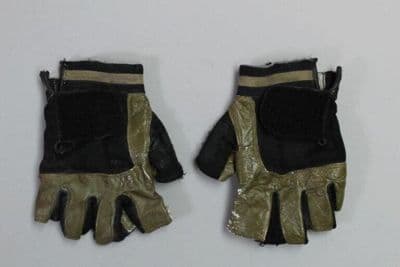
These pieces share the same post-apocalyptic fever dream, where military surplus meets club kid rebellion. The tactical gloves' olive drab panels and exposed fingertips echo the jacket's utilitarian straps and that translucent panel hanging like a deflated gas mask — both garments treating the body as something that needs protecting while simultaneously exposing it.


Pull the Thread→
Follow this garment wherever the graph leads