SMITHSONIAN
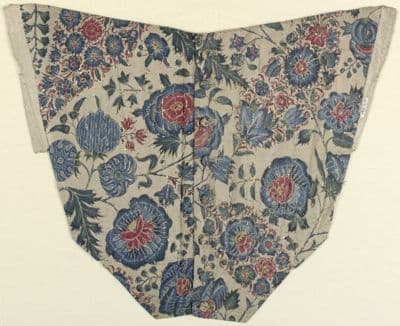
Cotton Chintz Bodice Panel with Floral Motifs
Baroque · 1700s · Indian
Production
handmade
Material
cotton chintz
Culture
Indian
Influences
Indian chintz tradition · European bodice construction
This triangular bodice panel displays characteristic Indian chintz textile work with hand-painted and resist-dyed floral motifs on cream cotton ground. The design features large stylized flowers including roses and carnations in indigo blue and coral red, interspersed with smaller botanical elements and trailing vines in muted green tones. The panel's wedge shape indicates it was cut for fitted bodice construction, likely as a front or side gore. The chintz technique shows crisp definition in the painted details, with the mordant-dyed colors maintaining their vibrancy. This represents the Indian textile trade that supplied European markets with exotic printed cottons during the late 17th and early 18th centuries.
top/t-shirt/sweatshirt
Connected To
Worn with·chemiseWorn with·skirtWorn with·staysTechnique·block-printing
SHARED130 years · cross-culture
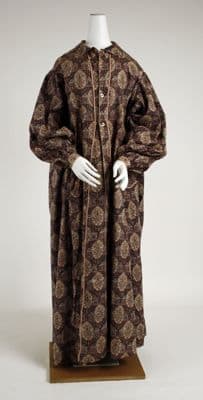
These two bodices reveal how the obsession with Indian florals traveled from Baroque trade routes to American parlors, maintaining its grip across 130 years. The earlier chintz fragment shows the dense, almost narcotic complexity of genuine Indian block-printing—those indigo blooms and coral buds scattered like a fever dream across cream cotton that once made European sumptuary laws tremble.
Text70%
Image
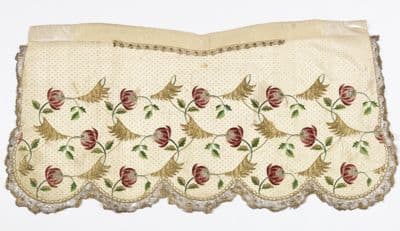
Worn with·chemiseWorn with·stays
SHAREDsame era · cross-culture · cross-category
Text60%
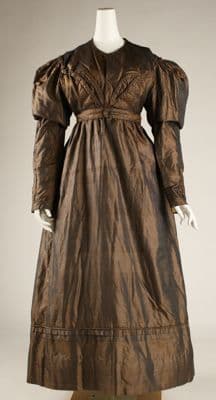
Worn with·chemiseWorn with·stays
SHARED120 years · cross-culture · cross-category
Text53%
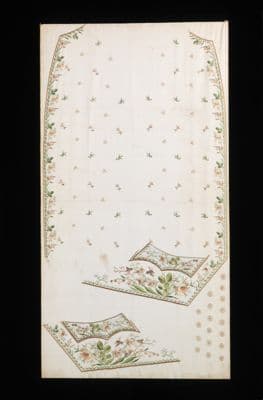
Worn with·chemiseTechnique·block-printing
SHARED60 years · cross-culture · cross-category
Text62%
Echoes Across Time
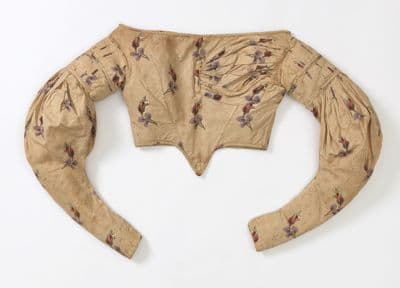
Baroque → Romantic · 130yr70%
SHARED
These two bodices reveal how the obsession with Indian florals traveled from Baroque trade routes to American parlors, maintaining its grip across 130 years. The earlier chintz fragment shows the dense, almost narcotic complexity of genuine Indian block-printing—those indigo blooms and coral buds scattered like a fever dream across cream cotton that once made European sumptuary laws tremble.
Worn with·chemiseWorn with·skirtWorn with·stays
Pull the Thread→
Follow this garment wherever the graph leads