V&A
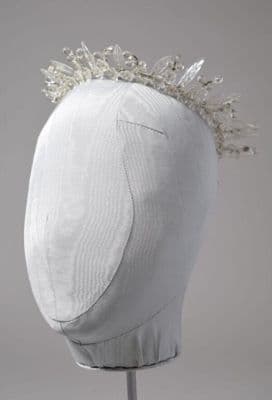
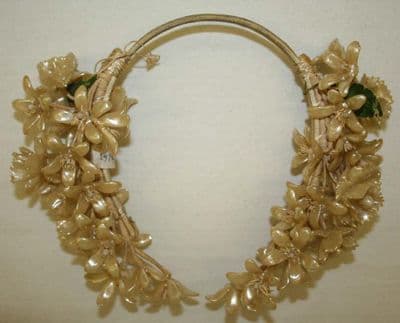
Molded Glass Bridal Wedding Wreath Headpiece
Great Depression · 1930s · French
Production
artisan-craft
Material
molded glass
Culture
French
Influences
traditional orange blossom bridal wreaths
This bridal wreath features delicate molded glass elements arranged in a radiating crown formation. The clear glass components appear to be individually crafted flowers, leaves, and possibly berries or buds, creating a three-dimensional botanical composition. The pieces are mounted on what appears to be a white fabric or wire base that would sit close to the head. The glass work demonstrates fine detail in the molding process, with each element catching light to create sparkle and dimension. This type of glass bridal accessory represents the 1930s trend toward more affordable luxury alternatives during economic hardship, when traditional materials like fresh flowers or precious metals were less accessible. The craftsmanship shows French expertise in glass working, maintaining elegance through innovative material use.
headband/head covering/hair accessory
Connected To
63%
Worn with·wedding dressTechnique·metalworkFunction·wedding
SHARED120 years · cross-culture
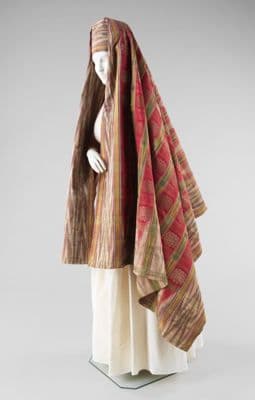
These bridal headpieces reveal how economic upheaval reshapes luxury's language across a century. The Russian silk headdress, with its burgundy cascade and gold metallic threads, speaks the opulent vocabulary of imperial excess—fabric as precious as jewels, meant to pool and drape with aristocratic abundance.
Text53%
Image74%
63%
Worn with·wedding veilFunction·wedding
SHARED90 years · cross-culture
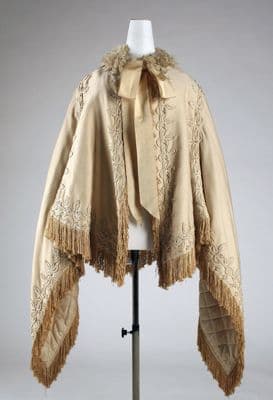
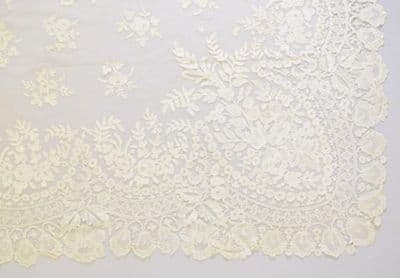
These bridal wreaths reveal how economic necessity can crystallize design into its purest form. The Victorian silk confection spills with hand-sewn blossoms and trailing ribbons—a testament to leisure time and skilled needlework—while the Depression-era French piece strips the idea down to molded glass buds that catch light like dewdrops.
Worn with·wedding dressFunction·wedding
SHARED60 years · cross-culture
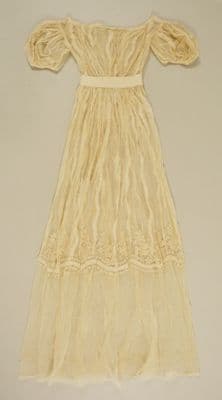
These two bridal pieces reveal how economic necessity can reshape luxury traditions with surprising elegance. The Depression-era glass wreath transforms the Victorian veil's delicate botanical motifs—those hand-worked flowers and leaves cascading across Belgian lace—into molded glass spikes that catch light like frozen tears, creating drama from industrial materials when silk thread and hours of handwork were no longer feasible.
Worn with·wedding dressFunction·wedding
SHARED40 years · cross-culture
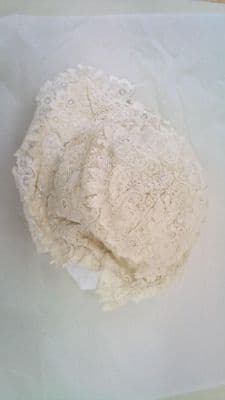
These two bridal headpieces reveal how economic upheaval reshapes even the most sacred traditions. The Brussels point de gaze cap, with its gossamer needle lace flowing like captured sea foam, represents the pinnacle of Belle Époque craftsmanship—each stitch a testament to months of skilled labor and abundant leisure time.
Pull the Thread→
Follow this garment wherever the graph leads