V&A
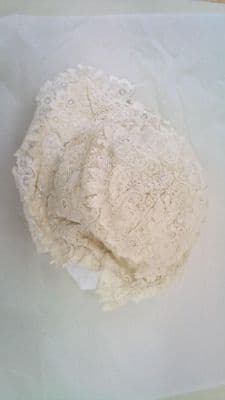
Brussels Point de Gaze Needle Lace Wedding Cap
Fin de Siecle / Gibson Girl · 1890s · Belgian
Production
handmade
Material
point de gaze needle lace
Culture
Belgian
Influences
Brussels lace tradition
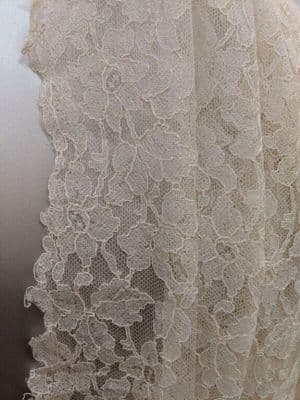
This delicate wedding cap showcases the pinnacle of Brussels lacemaking artistry in point de gaze needle lace. The cap features intricate floral motifs worked in fine cotton or linen thread, creating dimensional blooms and leaves across the surface. The construction shows the characteristic raised relief work of point de gaze, with padded cordonnets outlining the design elements. The cap appears to have a fitted crown that would sit close to the head, with decorative extensions or lappets. The translucent quality of the lace creates subtle shadows and depth, demonstrating the technical mastery required for this labor-intensive needle lace technique that made Brussels famous throughout Europe.
headband/head covering/hair accessory
Connected To
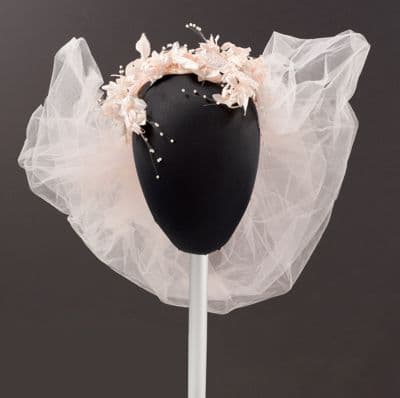
Worn with·wedding dressFunction·wedding
SHARED70 years · cross-culture
Both pieces choreograph the same bridal theater: flowers nestled in clouds of white netting that frame the face like a soft-focus lens. The Belgian lace cap transforms needle and thread into botanical poetry, its point de gaze blossoms so fine they seem to breathe, while the 1950s American headband takes a more literal approach—actual silk flowers anchored to synthetic tulle that billows with postwar optimism.
Text60%
Image74%
Entity29%
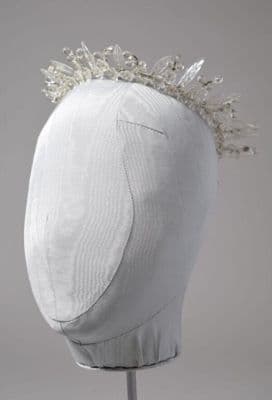
Worn with·wedding dressFunction·wedding
SHARED40 years · cross-culture
These two bridal headpieces reveal how economic upheaval reshapes even the most sacred traditions. The Brussels point de gaze cap, with its gossamer needle lace flowing like captured sea foam, represents the pinnacle of Belle Époque craftsmanship—each stitch a testament to months of skilled labor and abundant leisure time.
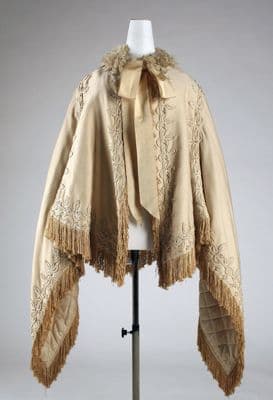
60%
Worn with·wedding dressFunction·wedding
SHARED20 years · cross-culture · cross-category
Both pieces transform the bride into something almost ethereal through the sheer accumulation of handwork—the cape's dense embroidered scrollwork and cascading fringe echoes the cap's impossibly delicate needle lace, each stitch a small prayer for prosperity.
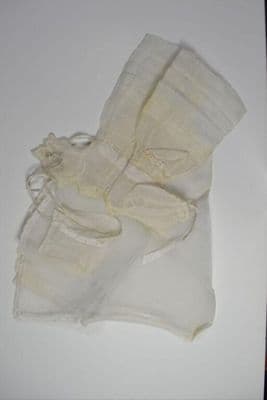
Worn with·veilFunction·wedding
SHARED60 years · cross-culture · cross-category
These two wedding pieces reveal how the industrial revolution transformed bridal luxury from painstaking craft to mass-produced fantasy. The Brussels point de gaze cap represents the pinnacle of 19th-century needle lace—each microscopic flower and leaf hand-stitched by Belgian artisans who spent months creating what amounts to wearable architecture in thread.
Pull the Thread→
Follow this garment wherever the graph leads