THE MET
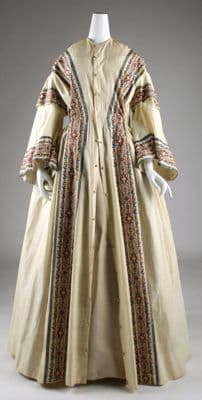
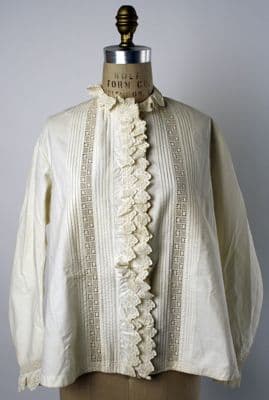
Ivory Cotton Lawn Victorian Bed Jacket
Victorian Late / Bustle · 1870s · American or European
Production
handmade
Material
cotton lawn
Culture
American or European
Influences
Victorian whitework tradition · convalescent wear customs
This Victorian bed jacket features a loose, comfortable silhouette designed for private wear during convalescence or morning toilette. The ivory cotton lawn fabric is adorned with extensive whitework embroidery including geometric openwork panels flanking the center front and delicate scalloped trim along the button placket. The high neckline closes with small mother-of-pearl buttons, while the full sleeves gather into fitted cuffs. Vertical bands of drawn thread work and eyelet embroidery create textural interest across the bodice. The construction emphasizes modesty and comfort over fashion silhouette, typical of intimate garments that prioritized health and respectability during the Victorian era.
jacketloose fithigh neckhip length
Connected To
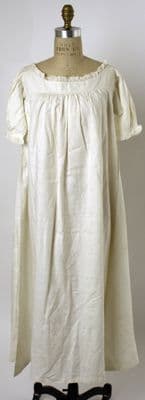
Worn with·chemiseWorn with·drawersTechnique·hand-embroidery
SHARED50 years · cross-culture · cross-category
Echoes Across Time
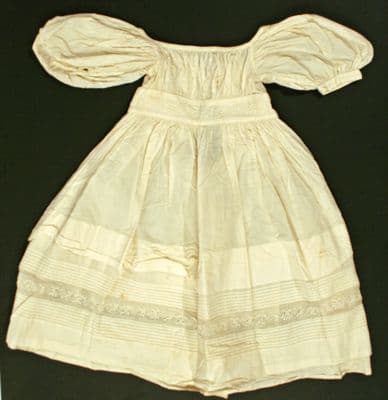
Victorian Late / Bustle → Romantic · 50yr62%
SHARED
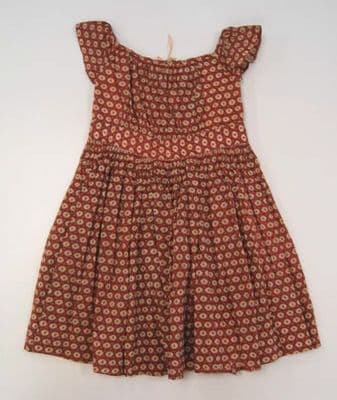
Both garments speak the same language of domestic luxury through cotton's quiet virtuosity — the Victorian bed jacket's geometric drawn-work bands and the Empire child's dress's delicate horizontal tucks create parallel grammars of hand-worked refinement. Separated by fifty years, they reveal how cotton lawn and muslin became canvases for displaying a family's leisure time: the hours spent pulling threads and setting tiny stitches that only intimates would ever see.
Worn with·chemiseWorn with·drawersTechnique·hand-embroidery
Pull the Thread→
Follow this garment wherever the graph leads