THE MET
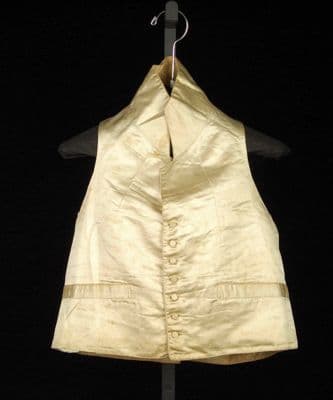
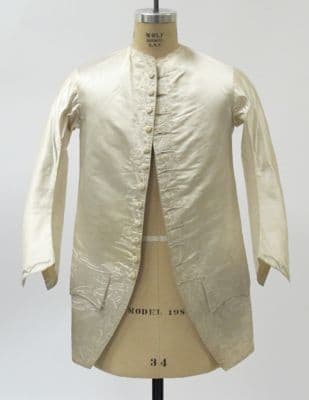
Cream Silk Fitted Waistcoat
Rococo · 1760s · Chinese
Production
handmade
Material
silk
Culture
Chinese
Influences
European masculine tailoring conventions
This cream silk waistcoat displays the characteristic 18th-century silhouette with a fitted bodice extending to mid-thigh length. The garment features a standing collar and closes with a series of small buttons down the front. The sleeves are long and fitted, ending at the wrists. Two flap pockets are positioned at the lower front, constructed with welted edges typical of period tailoring. The silk appears to have a subtle sheen and smooth texture. The overall cut follows European masculine fashion conventions of the 1760s, with the narrow shoulders, fitted waist, and extended length that would be worn under a coat as part of the three-piece suit ensemble standard for gentlemen of the period.
vestregular fitcollarlesship length
Connected To
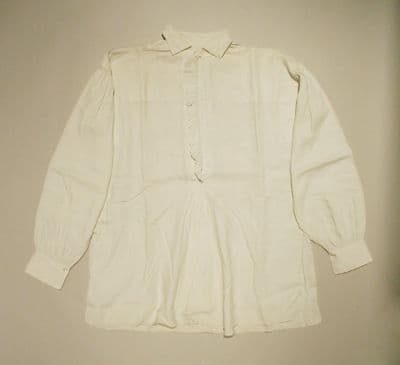
Worn with·breechesWorn with·coatWorn with·shirt
SHARED60 years · cross-culture
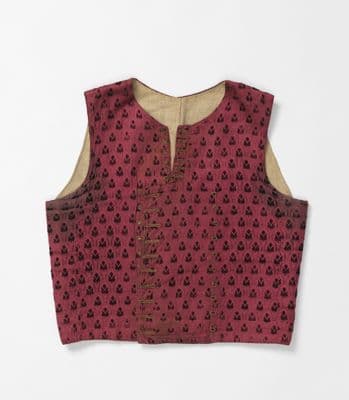
These waistcoats reveal how the male silhouette tightened across continents and decades, moving from the cream silk's generous 18th-century cut—with its flared skirts and full sleeves designed to fill out a coat—to the burgundy velvet's body-conscious Empire line that hugs the torso like second skin. The earlier Chinese example still thinks in terms of volume and ceremony, while the later English piece anticipates the Victorian obsession with the fitted male form.
Echoes Across Time
Empire / Regency → Rococo · 60yr69%
SHARED
These waistcoats reveal how the male silhouette tightened across continents and decades, moving from the cream silk's generous 18th-century cut—with its flared skirts and full sleeves designed to fill out a coat—to the burgundy velvet's body-conscious Empire line that hugs the torso like second skin. The earlier Chinese example still thinks in terms of volume and ceremony, while the later English piece anticipates the Victorian obsession with the fitted male form.
Worn with·breechesWorn with·coatWorn with·shirt
Pull the Thread→
Follow this garment wherever the graph leads