2020s · 2020s · Western
Production
ready-to-wear
Material
silk crepe
Culture
Western
Movement
Quiet Luxury
Influences
1930s bias-cut evening wear · Greek chiton draping
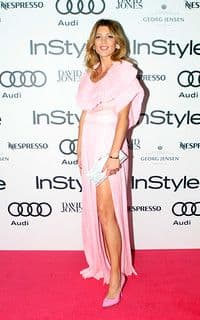
A floor-length evening gown featuring a distinctive one-shoulder design with the fabric draped asymmetrically across the torso. The bodice fits closely to the body while the skirt flows in a classic A-line silhouette. A high thigh slit creates dramatic movement and reveals the leg. The silk crepe fabric appears to have a subtle matte finish that drapes smoothly without excessive shine. The single shoulder strap creates an elegant diagonal line across the chest, while the opposite side remains bare. The hemline pools slightly on the floor, creating a formal train effect. The overall construction demonstrates refined tailoring with clean seaming and precise fit through the torso.


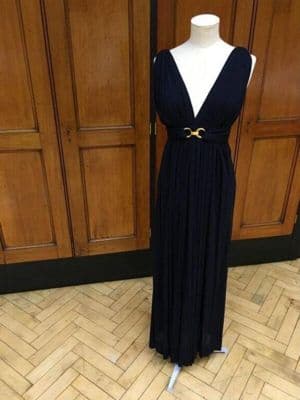
These dresses are separated by fifty years but united by their devotion to the body's natural architecture—both use fluid draping to create that liquid-mercury effect perfected in 1930s bias cuts. The pink gown's asymmetrical shoulder treatment and the navy's plunging neckline are different routes to the same destination: maximum skin, minimum interruption, letting fabric pool and flow like water over curves.
Follow this garment wherever the graph leads

These dresses are separated by fifty years but united by their devotion to the body's natural architecture—both use fluid draping to create that liquid-mercury effect perfected in 1930s bias cuts. The pink gown's asymmetrical shoulder treatment and the navy's plunging neckline are different routes to the same destination: maximum skin, minimum interruption, letting fabric pool and flow like water over curves.
These two gowns speak the same sultry language of 1930s bias-cut glamour, but with a generational gap that shows how red carpet seduction has evolved. The blush pink number channels that era's liquid draping through its asymmetrical shoulder and the way the silk crepe skims the body before splitting into a dramatic side slit, while the deep red gown uses the same bias principles to create that signature body-conscious silhouette that pools into a train.
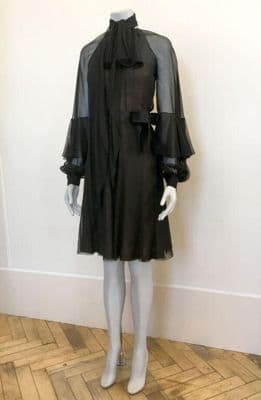
The blush gown's liquid drape and that calculated shoulder slip echo the same 1930s bias-cut DNA as the black chiffon's fluid fall, but where the '70s dress channels Ossie Clark's bohemian restraint with its pussy-bow propriety, the contemporary piece strips away all pretense except pure seduction. Both dresses understand that the most devastating evening wear doesn't cling—it suggests, letting silk do the work of revealing the body's architecture through movement rather than exposure.
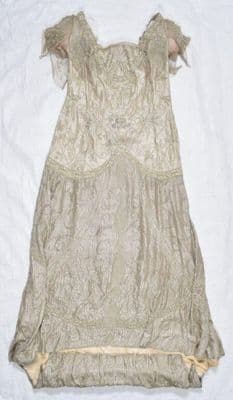
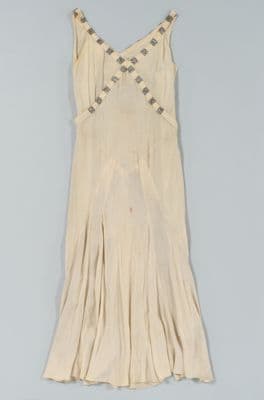
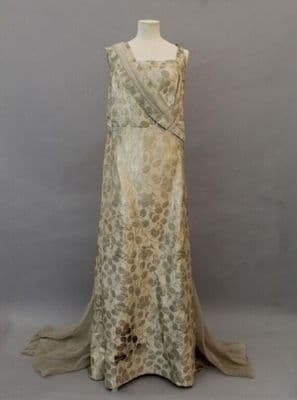
The blush silk's liquid drape and the silver lamé's bias-cut cling both descend from the 1930s revolution that freed evening wear from rigid corseting, letting fabric follow the body's natural line instead of fighting it. But where the Depression-era gown whispers its luxury through hand-sewn glass pearls and precious metallic thread—a calculated display of wealth during lean times—the contemporary dress shouts confidence through that brazen thigh-high slit and asymmetrical shoulder.


The blush gown's liquid drape and that calculated shoulder slip echo the same 1930s bias-cut DNA as the black chiffon's fluid fall, but where the '70s dress channels Ossie Clark's bohemian restraint with its pussy-bow propriety, the contemporary piece strips away all pretense except pure seduction. Both dresses understand that the most devastating evening wear doesn't cling—it suggests, letting silk do the work of revealing the body's architecture through movement rather than exposure.