1990s · 2010s · American
Production
ready-to-wear
Material
silk chiffon
Culture
American
Movement
Supermodel Era
Influences
1930s bias-cut evening wear · Grecian draping
A floor-length evening gown in deep red silk chiffon featuring a plunging V-neckline that extends to the waist. The bodice is fitted and draped to create a wrap-style silhouette that emphasizes the torso. The skirt flows from a fitted hip into a full-length train with a high side slit extending to mid-thigh. The lightweight chiffon fabric creates fluid movement and subtle transparency in the skirt portion. The sleeveless design and dramatic neckline exemplify 1990s red carpet glamour, when body-conscious silhouettes and bold cuts dominated formal evening wear. The construction relies on expert draping techniques to achieve the wrap effect without visible closures.


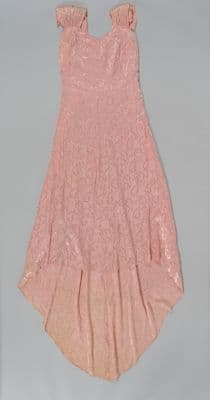
These two gowns share the liquid poetry of 1930s bias cutting, but separated by four decades, they tell different stories about feminine power. The pink damask number with its dramatic handkerchief hem pools and puddles like molten metal, all shimmering surface and architectural drama—very much the 1950s idea of glamour as spectacle.


Follow this garment wherever the graph leads
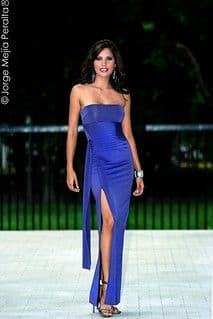
These gowns are twins separated by geography, not time—both channeling the same 1990s obsession with old Hollywood glamour through body-skimming silhouettes and dramatic thigh-high slits. The blue number's strapless stretch satin creates that second-skin effect Versace perfected for supermodels, while the red gown's plunging neckline and flowing chiffon takes a softer approach to the same seductive blueprint.
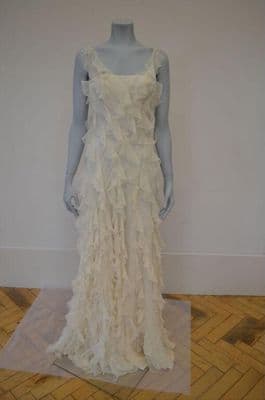
Both gowns speak the ancient language of draped silk chiffon, but they're having entirely different conversations. The red dress commands attention with its plunging neckline and strategic side slit—it's Hollywood glamour that knows exactly how good it looks. The cream gown whispers instead of shouts, using delicate ruffles and a more covered silhouette to create romance through texture rather than exposure.
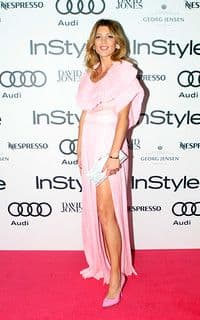
These two gowns speak the same sultry language of 1930s bias-cut glamour, but with a generational gap that shows how red carpet seduction has evolved. The blush pink number channels that era's liquid draping through its asymmetrical shoulder and the way the silk crepe skims the body before splitting into a dramatic side slit, while the deep red gown uses the same bias principles to create that signature body-conscious silhouette that pools into a train.
These two gowns share the liquid poetry of 1930s bias cutting, but separated by four decades, they tell different stories about feminine power. The pink damask number with its dramatic handkerchief hem pools and puddles like molten metal, all shimmering surface and architectural drama—very much the 1950s idea of glamour as spectacle.