V&A
Cream Cotton Traditional Korean Hanbok Undergarment
Roaring Twenties / Art Deco · 1920s · Korean
Production
handmade
Material
cotton
Culture
Korean
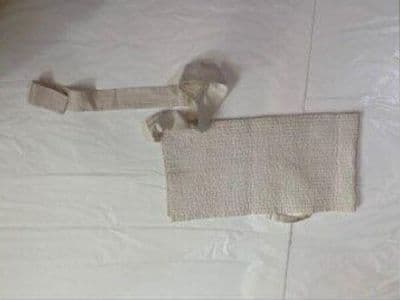
A traditional Korean hanbok undergarment constructed from plain-weave cotton in natural cream tones. The garment features a rectangular body panel with integrated tie straps extending from the sides, designed to wrap around the torso. The construction appears to be hand-sewn with simple seaming techniques. The fabric shows a slightly textured weave typical of traditional Korean cotton textiles. This undergarment would have been worn beneath the jeogori (jacket) and chima (skirt) of a hanbok ensemble, providing modesty and shape support. The ties allow for adjustable fitting around the waist and chest area, reflecting the practical construction methods of early 20th century Korean domestic textile production.
dress
Connected To
Worn with·chimaWorn with·jeogori
SHARED60 years · cross-category
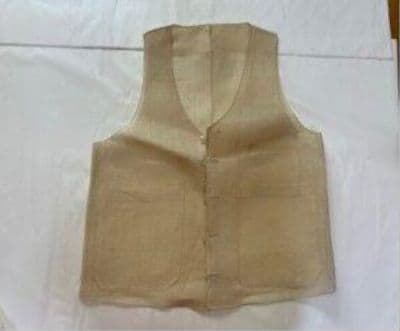
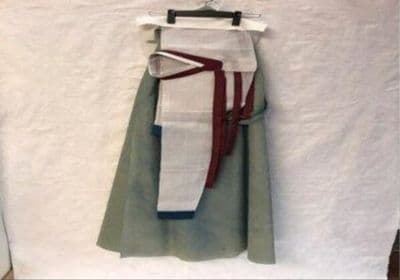
These two hanbok undergarments reveal how Korean traditional dress adapted to the body-conscious silhouettes of the 1920s. The earlier vest maintains the classic hanbok's boxy, unstructured form with its simple button closure and loose fit, designed to create the desired cylindrical torso beneath the jeogori jacket.
Text80%
Image60%
Entity36%
Worn with·chimaWorn with·jeogori
SHARED60 years
The cream cotton undergarment's spare geometric lines and that decisive horizontal band read like Korean minimalism filtered through 1920s modernity, while the sage ensemble below maintains hanbok's classical proportions with its voluminous chima and crisp white jeogori. What connects them across six decades is hanbok's essential architecture—that interplay of structure and flow, the way fabric is engineered to move with the body rather than cling to it.
Worn with·chimaWorn with·jeogori
SHARED60 years
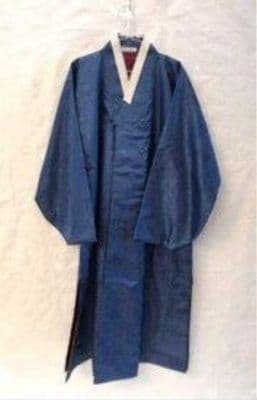
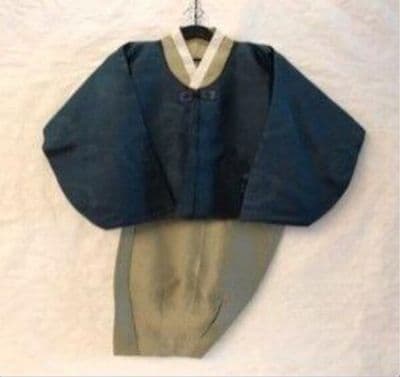
These two hanbok pieces reveal how Korean traditional dress adapted to modern life while preserving its essential geometry. The navy silk ensemble maintains the classic jeogori's boxy, cropped silhouette and crisp white collar trim that defines the garment's architectural precision, while the cream cotton undergarment strips the form down to its functional bones—the same wide, kimono-like sleeves and abbreviated torso, but rendered in practical cotton for everyday wear beneath the outer layers.
Worn with·chimaWorn with·jeogori
SHARED60 years
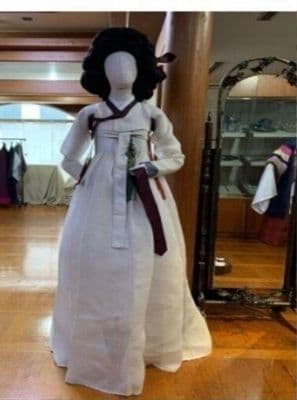
The cream cotton undergarment and the white silk hanbok reveal how Korean dress navigated the collision between tradition and modernity in the early 20th century. That plain cotton foundation piece—with its practical ties and minimal construction—supported the elaborate ritual of dressing in the full hanbok, much like the complex understructures that held up Western fashion's most formal moments.
Pull the Thread→
Follow this garment wherever the graph leads