V&A
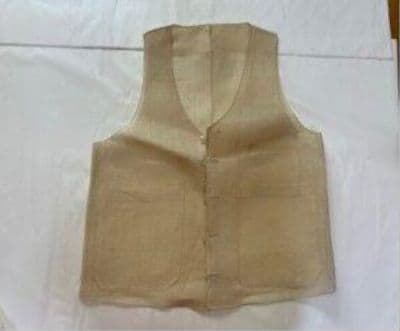
Beige Cotton Traditional Korean Hanbok Vest
Korean Traditional · 1980s · Korean
Production
handmade
Material
cotton
Culture
Korean
Influences
traditional Korean hanbok construction
A traditional Korean hanbok vest (jokki) constructed from plain cotton in a neutral beige tone. The garment features a characteristic V-neckline and front button closure with multiple small buttons running down the center front. The vest displays the typical hanbok silhouette with a relaxed, boxy fit that falls straight from the shoulders without waist shaping. The armholes are cut high and the construction appears to be hand-sewn with traditional Korean tailoring techniques. This type of vest would be worn as part of a complete hanbok ensemble, layered over the jeogori (jacket) and chima (skirt) for formal occasions or cultural ceremonies.
veststraightv-neckhip length
Connected To
Influences·traditional Korean hanbok constructionWorn with·chimaWorn with·jeogori
SHARED60 years
Echoes Across Time
Roaring Twenties / Art Deco → Korean Traditional · 60yr76%
SHARED
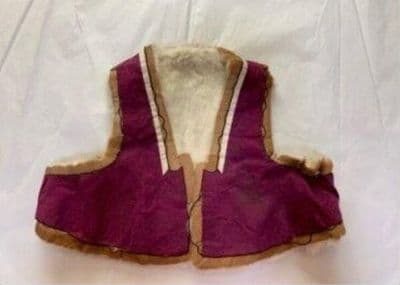
These two Korean vests trace the evolution of hanbok's sleeveless jeogori across six decades, yet their shared DNA runs deeper than time. The purple silk version from the 1920s shows how traditional Korean tailoring absorbed Art Deco sensibilities—that rich jewel tone and the way the fur trim follows the same clean geometric lines as the later beige cotton vest, which strips the silhouette back to its essential form.
Influences·traditional Korean hanbok constructionWorn with·chimaWorn with·jeogori
Pull the Thread→
Follow this garment wherever the graph leads