Roaring Twenties / Art Deco · 1920s · Korean
Production
handmade
Material
silk
Culture
Korean
Influences
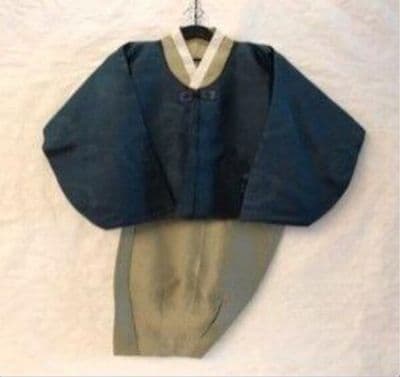
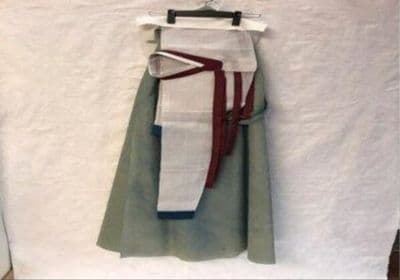
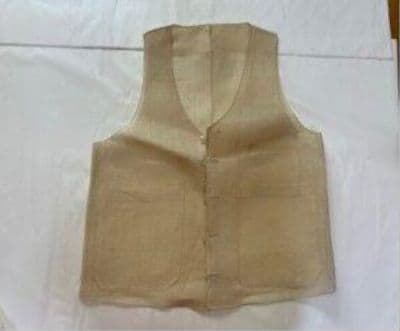
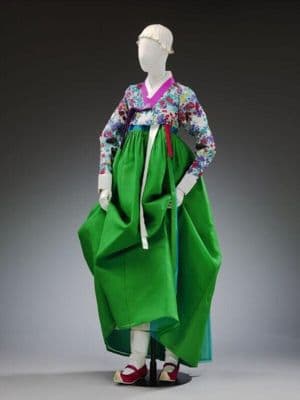
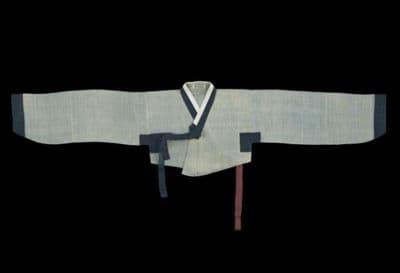
traditional Korean hanbok construction
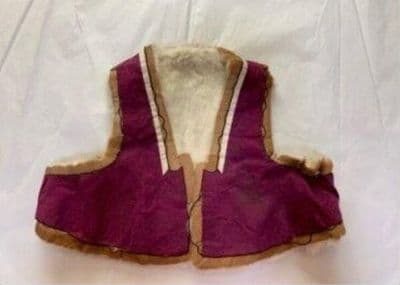
A traditional Korean sleeveless vest featuring deep purple silk as the primary fabric with cream-colored silk lining visible at the edges and interior. The garment has a short, cropped silhouette that would sit at the natural waist. Brown fabric binding or trim edges the armholes, front opening, and hemline, creating contrast against the rich purple exterior. The construction appears to follow traditional Korean tailoring methods with clean, geometric lines and minimal ornamentation. The vest opens at the front and would likely fasten with ties or buttons not visible in this view. The silk appears to have a subtle textured or brocaded surface that catches light differently across the fabric.


Both pieces carry the architectural DNA of Korean hanbok construction, but the purple vest reads like traditional dress filtered through 1920s sensibilities—that cropped, boxy silhouette and fur trim feel distinctly Art Deco in their geometric confidence.

Follow this garment wherever the graph leads
Both pieces carry the architectural DNA of Korean hanbok construction, but the purple vest reads like traditional dress filtered through 1920s sensibilities—that cropped, boxy silhouette and fur trim feel distinctly Art Deco in their geometric confidence.
These two pieces reveal how Korean hanbok construction travels through time while adapting to different contexts. The 1920s purple vest borrows the hanbok's signature curved seam lines and silk-on-silk layering principle, but compresses the traditional jeogori jacket into a fitted Western-style vest that could slip under a flapper dress.
That sumptuous purple vest carries the DNA of hanbok tailoring in its clean, curved armholes and the way it sits open at the front, but it's been stripped down to Art Deco essentials — all geometric lines and that rich jewel tone that screams 1920s modernity.
These two Korean vests trace the evolution of hanbok's sleeveless jeogori across six decades, yet their shared DNA runs deeper than time. The purple silk version from the 1920s shows how traditional Korean tailoring absorbed Art Deco sensibilities—that rich jewel tone and the way the fur trim follows the same clean geometric lines as the later beige cotton vest, which strips the silhouette back to its essential form.

That sumptuous purple vest carries the DNA of hanbok tailoring in its clean, curved armholes and the way it sits open at the front, but it's been stripped down to Art Deco essentials — all geometric lines and that rich jewel tone that screams 1920s modernity.