V&A
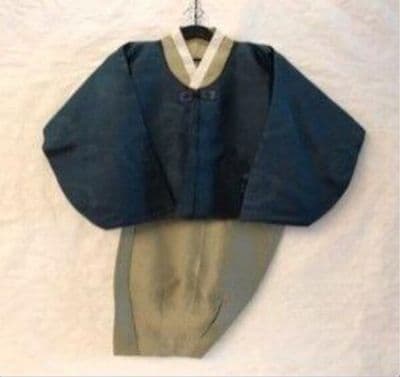
Navy Blue Silk Korean Hanbok Ensemble
Korean Traditional · 1980s · Korean
Production
handmade
Material
silk
Culture
Korean
Influences
traditional Korean hanbok construction
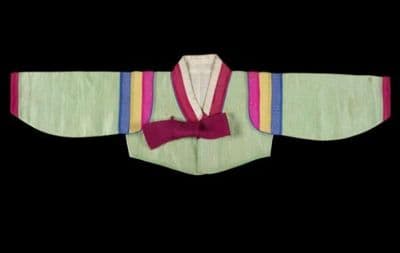
This Korean hanbok ensemble features a navy blue jeogori (jacket) with dramatically wide, curved sleeves that create a bell-like silhouette when the arms are positioned outward. The jacket has a white or cream-colored collar band and appears to fasten with ties at the chest. Below is a beige or tan-colored chima (skirt) that would traditionally be full and floor-length when worn. The silk fabric appears to have a smooth, lustrous finish typical of formal hanbok construction. The proportions show the characteristic Korean aesthetic of contrasting volumes - the fitted bodice of the jeogori against the expansive sleeves, paired with the full skirt. This represents traditional Korean formal wear adapted or preserved during the 1980s period.
dress
Connected To
Influences·traditional Korean hanbok constructionWorn with·chimaWorn with·jeogori
SHARED60 years · cross-category
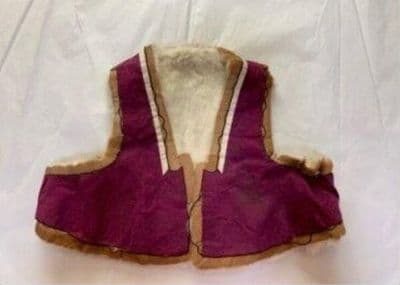
Both pieces carry the architectural DNA of Korean hanbok construction, but the purple vest reads like traditional dress filtered through 1920s sensibilities—that cropped, boxy silhouette and fur trim feel distinctly Art Deco in their geometric confidence.
Text77%
Image75%
Entity
Influences·traditional Korean hanbok constructionWorn with·undergarmentsFunction·religious-ceremonial
SHARED50 years · cross-category
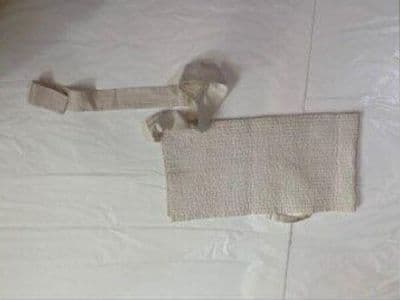
Worn with·chimaWorn with·jeogori
SHARED60 years
These two hanbok pieces reveal how Korean traditional dress adapted to modern life while preserving its essential geometry. The navy silk ensemble maintains the classic jeogori's boxy, cropped silhouette and crisp white collar trim that defines the garment's architectural precision, while the cream cotton undergarment strips the form down to its functional bones—the same wide, kimono-like sleeves and abbreviated torso, but rendered in practical cotton for everyday wear beneath the outer layers.
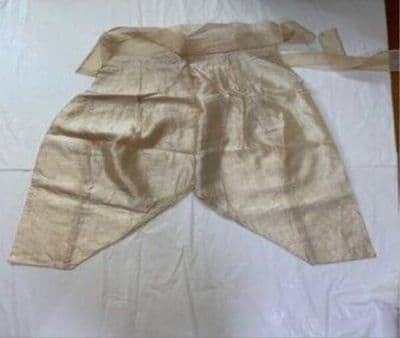
Influences·traditional Korean hanbok construction
SHARED60 years
These two hanbok pieces reveal how traditional Korean silhouettes held their ground against Western influence in the early 20th century.
Text78%
Pull the Thread→
Follow this garment wherever the graph leads