V&A
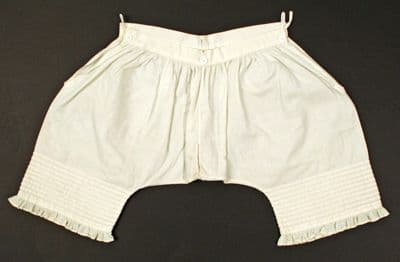
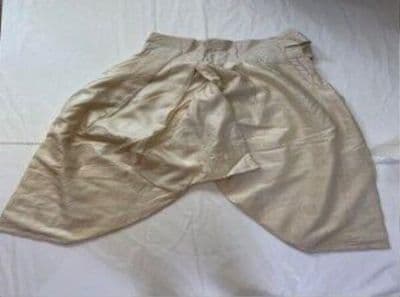
Cotton Cream Balloon Hanbok Petticoat Sokchima
Roaring Twenties / Art Deco · 1920s · Korean
Production
handmade
Material
cotton
Culture
Korean
Influences
traditional Korean hanbok undergarments
A traditional Korean sokchima (petticoat) constructed from lightweight cotton fabric in a natural cream tone. The garment features a wide, gathered waistband that creates substantial volume through the hip and thigh area, tapering to a narrower leg opening. The construction shows hand-sewn seams and traditional Korean undergarment proportions, designed to provide the characteristic silhouette shape beneath the hanbok jeogori and chima. The fabric appears to be plain-woven cotton with a soft drape, showing wear patterns consistent with regular use. The gathered waist construction allows for adjustable fit while maintaining the full, rounded hip profile essential to proper hanbok proportions.
dressballoonknee length
Connected To
Worn with·hanbok chimaWorn with·hanbok jeogori
SHARED60 years · cross-category
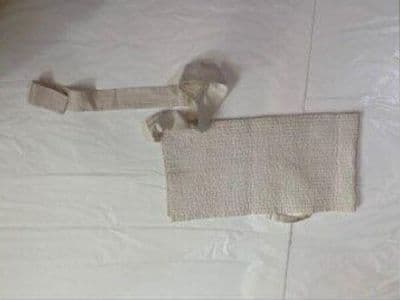
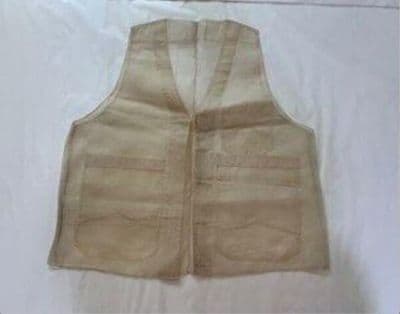
These two pieces reveal hanbok's genius for hidden architecture—the sokchima's billowing cotton creates the chima's signature bell silhouette from beneath, while the vest's clean-lined geometry structures the upper body under flowing jeogori sleeves. Sixty years apart, they're both cut from the same practical cotton and designed with hanbok's essential principle: the foundation garments do the structural work so the visible layers can move like poetry.
Pull the Thread→
Follow this garment wherever the graph leads