Traditional Korean · 1980s · Korean
Production
handmade
Material
cotton
Culture
Korean
Influences
traditional Korean jokki construction
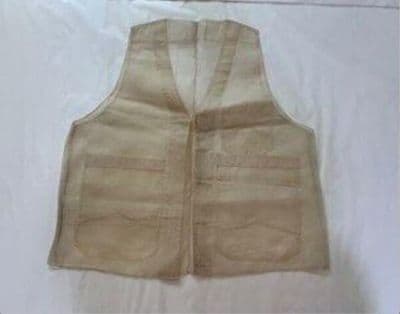
A traditional Korean hanbok vest (jokki) constructed from lightweight cotton in neutral beige tones. The garment features a straight-cut silhouette with a deep V-neckline and sleeveless design. Multiple horizontal seaming lines create subtle textural interest across the front panels. The vest appears to have a center front closure, likely with ties or buttons. The construction shows clean, geometric lines typical of traditional Korean tailoring, with precise seaming that creates structured panels. The cotton fabric appears to have a slightly textured weave, giving the garment body while maintaining breathability. This represents the continuation of traditional Korean dress elements adapted for contemporary wear during the 1980s.
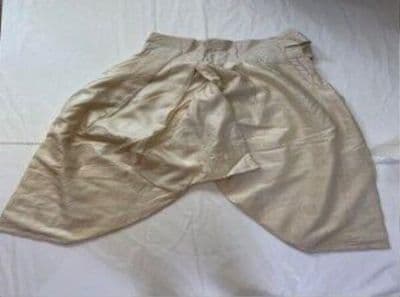
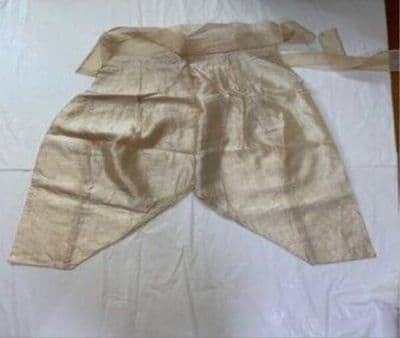
These two pieces reveal hanbok's genius for hidden architecture—the sokchima's billowing cotton creates the chima's signature bell silhouette from beneath, while the vest's clean-lined geometry structures the upper body under flowing jeogori sleeves. Sixty years apart, they're both cut from the same practical cotton and designed with hanbok's essential principle: the foundation garments do the structural work so the visible layers can move like poetry.


These two pieces reveal hanbok's genius for hidden architecture—the sokchima's billowing cotton creates the chima's signature bell silhouette from beneath, while the vest's clean-lined geometry structures the upper body under flowing jeogori sleeves. Sixty years apart, they're both cut from the same practical cotton and designed with hanbok's essential principle: the foundation garments do the structural work so the visible layers can move like poetry.

Follow this garment wherever the graph leads
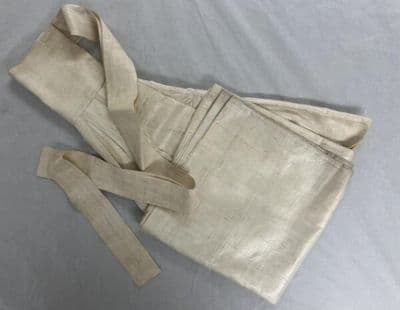
These two pieces of Korean hanbok understructure reveal how traditional dress adapts while holding its essential logic intact. The vest's clean geometric seaming and utilitarian pockets speak to the Joseon dynasty's preference for functional elegance, while the underskirt's wraparound ties and gathered waistband show the same architectural thinking that creates hanbok's distinctive silhouette—that bell-shaped foundation that makes the outer skirt float.
These two hanbok undergarments reveal how Korean traditional dress maintained its essential geometry even as it adapted to modern life. The 1920s petticoat, with its wide-legged silhouette and practical cotton construction, shows how hanbok's foundational shapes persisted beneath Western-influenced outer layers during the colonial period.
Lineage: “traditional Korean jokki construction”

These two pieces of Korean hanbok understructure reveal how traditional dress adapts while holding its essential logic intact. The vest's clean geometric seaming and utilitarian pockets speak to the Joseon dynasty's preference for functional elegance, while the underskirt's wraparound ties and gathered waistband show the same architectural thinking that creates hanbok's distinctive silhouette—that bell-shaped foundation that makes the outer skirt float.