V&A
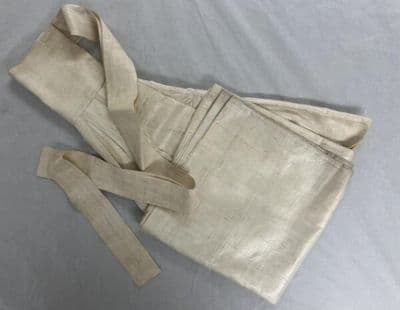
Natural Linen Hanbok Underskirt Sokchima
Fin de Siecle / Gibson Girl · 1900s-1940s · Korean
Production
handmade
Material
linen
Culture
Korean
A traditional Korean hanbok underskirt (sokchima) constructed from natural linen in an unbleached cream tone. The garment features a high-waisted rectangular panel that wraps around the torso, secured by long fabric ties that extend from the waistband. The skirt portion appears to be cut in a simple A-line silhouette with minimal gathering at the waist. The construction shows hand-finished seams and edges typical of traditional Korean undergarments. The linen fabric appears to be of medium weight with a plain weave structure. This type of undergarment was worn beneath the hanbok jeogori (jacket) and chima (outer skirt) to provide proper silhouette and modesty.
dressa-linefloor length
Connected To
Worn with·hanbok chimaWorn with·hanbok jeogori
SHARED85 years · cross-category
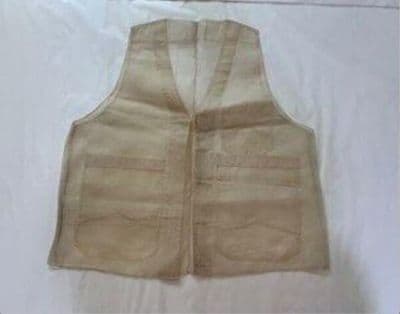
These two pieces of Korean hanbok understructure reveal how traditional dress adapts while holding its essential logic intact. The vest's clean geometric seaming and utilitarian pockets speak to the Joseon dynasty's preference for functional elegance, while the underskirt's wraparound ties and gathered waistband show the same architectural thinking that creates hanbok's distinctive silhouette—that bell-shaped foundation that makes the outer skirt float.
Text76%
Image77%
Entity42%
VISUAL ECHO145 years · cross-culture · cross-category
Text56%
Image84%
Entity
VISUAL ECHO35 years · cross-culture · cross-category
Text49%
Image85%
Entity
Pull the Thread→
Follow this garment wherever the graph leads