SMITHSONIAN
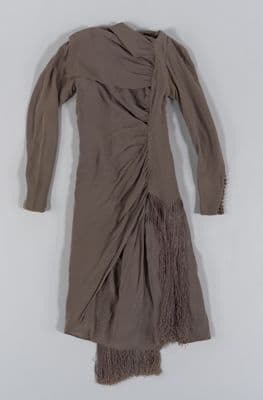
Gray Rayon Jersey Wrap Dress with Shawl Collar
Wartime / Utility Fashion · 1940s · American
Production
ready-to-wear
Material
rayon jersey
Culture
American
Movement
Utility Fashion
Influences
wartime fabric rationing · utilitarian design principles
A mid-length dress in muted taupe-gray rayon jersey featuring an asymmetrical wrap-style bodice with a draped shawl collar that extends into a long sash or scarf element. The garment demonstrates wartime fabric conservation through its streamlined silhouette and minimal waste construction. The bodice fits close to the torso with subtle gathering at the waist, transitioning to a straight skirt that falls below the knee. Long fitted sleeves with button cuffs reflect the practical needs of the 1940s. The draped collar creates visual interest while maintaining the utilitarian aesthetic characteristic of wartime fashion, when fabric rationing influenced both design and construction methods.
dressfit and flaresurpliceknee length
Connected To
Movement·Utility Fashion
SHAREDsame era · cross-culture · cross-category
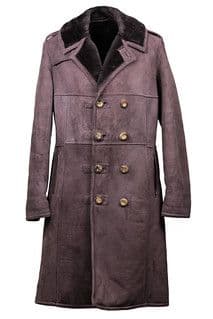
These two garments speak the same wartime language of resourceful elegance, though in different dialects. The coat's military-inspired double-breasted closure and structured silhouette echo the dress's wrapped efficiency and shawl collar—both garments engineered for women who needed to look pulled-together while rationing fabric and fuss.

Pull the Thread→
Follow this garment wherever the graph leads