SMITHSONIAN
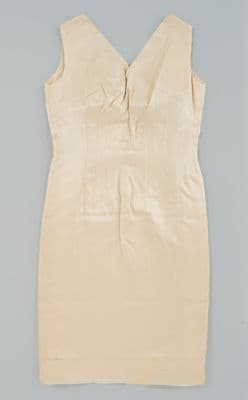
Cream Silk Twill Sleeveless Shift Dress
1960s · 1960s · American
Designer
Zelda Wynn
Production
ready-to-wear
Material
silk twill
Culture
American
Movement
Space Age fashion · Space Age
Influences
1960s geometric minimalism · Modernist architecture
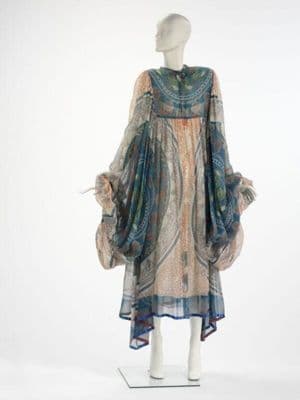
A sleeveless shift dress in cream silk twill featuring a fitted bodice with a deep V-neckline and structured shoulder straps. The dress follows a straight, columnar silhouette that skims the body without excessive ease, ending at knee length. The fabric appears to have a subtle matte finish typical of silk twill weaving. Construction shows clean, minimal seaming consistent with 1960s modernist tailoring. The neckline creates sharp geometric lines, while the overall form emphasizes the streamlined aesthetic that defined Space Age fashion. The garment demonstrates the era's move toward simplified, architectural clothing that prioritized clean lines over decorative elements.
dressstraightv-neckknee length
Connected To
Influences·1960s geometric minimalismMovement·Space Age
SHAREDsame era · cross-culture · cross-category
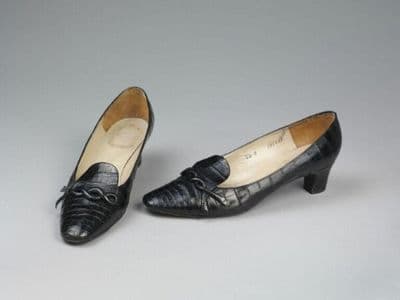
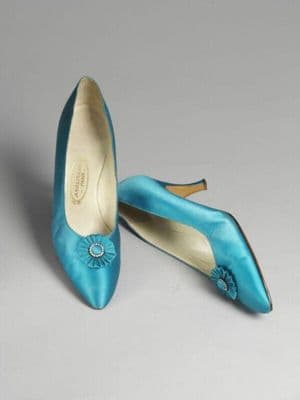
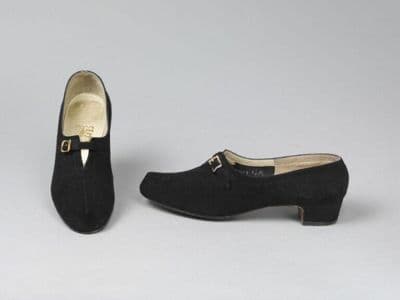
These pieces speak the same 1960s minimalist language, stripped of ornament and pared down to essential geometric forms. The shoes' clean T-bar silhouette and low block heel echo the dress's architectural V-neckline and ruler-straight lines—both refusing the curves and frills that defined earlier decades. That single buckle detail and the dress's precise seaming are the only concessions to decoration, proving that in the Space Age, function could be its own kind of beauty.

Pull the Thread→
Follow this garment wherever the graph leads