FASHIONPEDIA
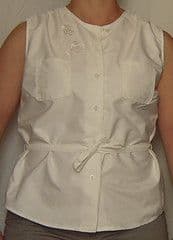
White Cotton-Linen Sleeveless Button-Front Shirt
1990s · 2020s · Western
Production
ready-to-wear
Material
cotton-linen blend
Culture
Western
Movement
Minimalism
Influences
1990s minimalist design · utilitarian workwear
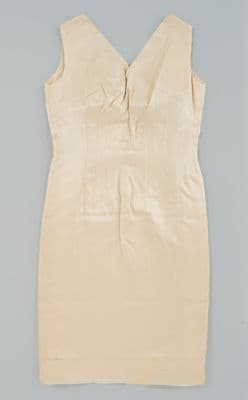
A sleeveless white shirt featuring a clean button-front closure with small white buttons extending from the rounded neckline to the waist. The garment has a relaxed, boxy silhouette with minimal shaping and appears to be constructed from a crisp cotton-linen blend fabric. A self-fabric tie belt at the waist allows for adjustable fit while maintaining the garment's understated aesthetic. The armholes are finished with simple bound edges, and the overall construction emphasizes functional simplicity over decorative elements. This piece exemplifies 1990s minimalist fashion with its pared-down design, neutral palette, and focus on clean lines and practical wearability.
shirtregular fitcollarlessabove-the-hip
Connected To

Influences·utilitarian workwearMovement·Minimalism
SHAREDsame era · cross-culture · cross-category
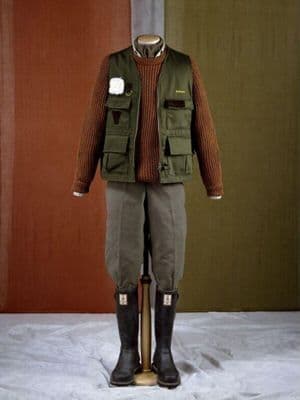
Both pieces channel the same minimalist impulse that swept through fashion in the '90s and 2000s — the idea that utility could be beautiful without ornament. The white sleeveless shirt, with its clean button placket and drawstring waist, strips workwear down to its essential geometry, while the olive vest translates that same functional aesthetic into military-inspired territory with its patch pockets and sturdy cotton blend.
Echoes Across Time
1960s → 1990s · 60yr61%
SHARED
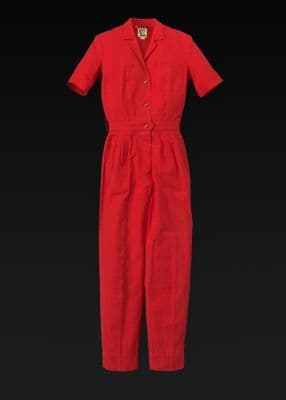
That red jumpsuit carries the DNA of 1940s factory coveralls—notice how the short sleeves and button-front closure mirror the practical geometry of workwear, just tailored closer to the body with a cinched waist that turns utility into statement. The white sleeveless top picks up the same thread decades later, borrowing that clean button-front placket and the way both garments use ties at the waist to create shape from essentially boxy, functional forms.
Influences·utilitarian workwear
1990s → 1960s
Pull the Thread→
Follow this garment wherever the graph leads