1990s · 2000s · Japanese
Designer
Yohji Yamamoto
Production
ready-to-wear
Material
wool gabardine
Culture
Japanese
Movement
Japanese Avant-garde · Deconstructivism · Minimalism
Influences
military trench coat · deconstructionist tailoring
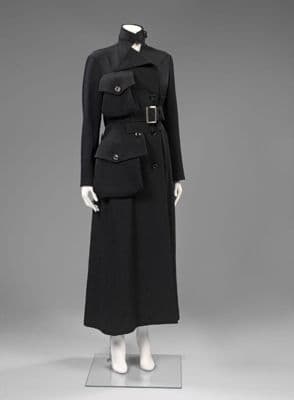
This black wool gabardine coat demonstrates Yamamoto's signature deconstruction of classic menswear. The garment features an asymmetrical closure with multiple belts and buckles creating layered horizontal bands across the torso. The silhouette is deliberately oversized with dropped shoulders and extended length reaching mid-calf. Traditional trench coat elements like storm flaps and belt details are reimagined as sculptural components rather than functional features. The construction appears to layer multiple garment fragments, creating depth and visual weight. The stark black color and architectural manipulation of familiar tailoring codes exemplify Japanese avant-garde fashion's approach to challenging Western sartorial conventions through radical reinterpretation.
Follow this garment wherever the graph leads
Lineage: “Japanese avant-garde tailoring”
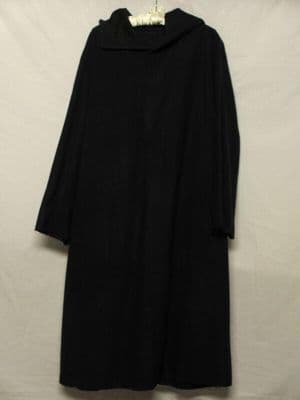
These two Yamamoto pieces show how the designer's deconstructed tailoring evolved from militant precision to monastic simplicity within the same decade. The trench coat dissects classic outerwear into angular fragments—notice how the belt cuts across asymmetrical panels and pockets jut out like architectural details—while the hooded coat abandons all that structural aggression for something more primal: a black wool envelope that swallows the body whole.
Lineage: “Japanese anti-fashion movement”
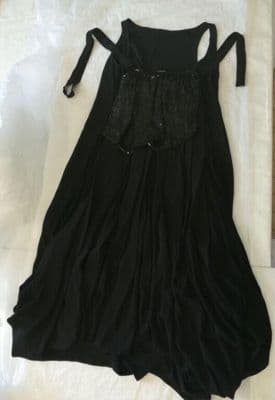
Both pieces reveal Yohji Yamamoto's genius for turning garments inside-out—literally and conceptually. The trench coat strips away every conventional detail that makes a trench recognizable, leaving only the ghost of military structure in its asymmetrical closures and belt, while the dress performs a similar sleight of hand by making an evening bag disappear into the body of the garment itself, sequins glinting like a secret.
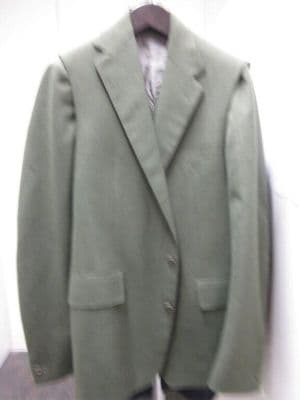
Both pieces strip the trench coat down to its architectural bones, but where the black gabardine coat maintains the trench's full ceremonial length and belt-cinched drama, the sage jacket distills that same deconstructed energy into something more brutally minimal—just the torso, just the gesture of a lapel.
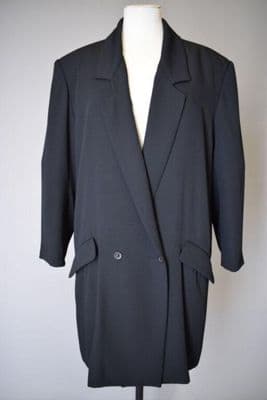
These two coats speak the same deconstructivist language but with different accents—the Japanese piece from the '90s takes the trench coat and pulls it apart like origami, with that distinctive wrap-around belt creating sculptural volume, while the British jacket from the '80s achieves its subversion through sheer scale, turning the double-breasted blazer into an architectural statement that swallows the body.