2010s · 2020s · British
Designer
Richard Malone
Production
haute couture
Material
recycled polyester jersey
Culture
British
Movement
Sustainable Fashion · Upcycling Movement · Gorpcore
Influences
Japanese origami folding · 1980s avant-garde draping
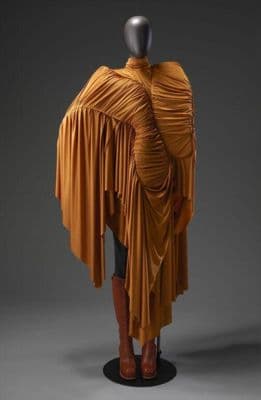
This sculptural dress features extensive asymmetrical draping in burnt orange recycled polyester jersey. The garment creates dramatic volume through internal structural elements including hand-molded upcycled polyurethane foam and polyester wadding. The fabric cascades in irregular pleats and folds from shoulder to mid-calf, with varying lengths creating an organic, flowing silhouette. The construction emphasizes sustainability through upcycled materials while achieving high fashion impact. The internal structure gives weight and movement to the lightweight jersey, allowing it to hold sculptural shapes while maintaining fluidity. Paired with brown leather high-heeled boots, the ensemble represents contemporary sustainable fashion's intersection with avant-garde design.
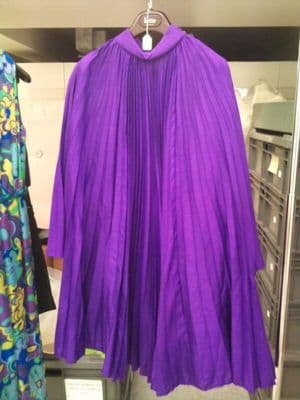
The burnt orange dress's cascading asymmetrical folds and the purple tent's knife-sharp pleats both spring from the same well: a fascination with fabric as sculptural material that can hold impossible shapes through sheer engineering. Sixty years separate them, but both designers understood that the real drama happens when cloth defies gravity—whether through the orange dress's waterfall of draped jersey or the purple's accordion precision that transforms the body into a geometric abstraction.
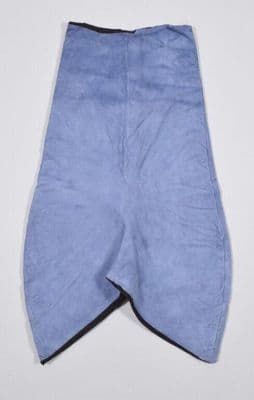

The burnt orange dress's cascading asymmetrical folds and the purple tent's knife-sharp pleats both spring from the same well: a fascination with fabric as sculptural material that can hold impossible shapes through sheer engineering. Sixty years separate them, but both designers understood that the real drama happens when cloth defies gravity—whether through the orange dress's waterfall of draped jersey or the purple's accordion precision that transforms the body into a geometric abstraction.


Follow this garment wherever the graph leads
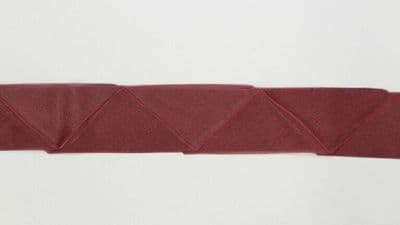
The burgundy scarf's precise chevron pleats and the orange dress's cascading sculptural drapes both spring from the Japanese art of origami—one interpreting the paper-folding tradition as geometric repetition, the other as fluid architectural volume. What separates them isn't just three decades, but philosophy: the scarf disciplines fabric into crisp, mathematical angles while the dress lets jersey flow like molten metal, each fold catching light and shadow.
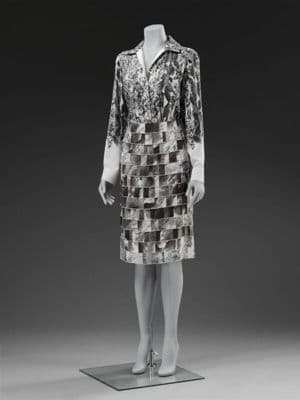
These two pieces trace fashion's evolving relationship with sustainability, from the 1990s Italian blouse's early experimentation with orange fiber—a byproduct of citrus juice production spun into silk—to the 2010s British dress that transforms recycled polyester into cascading sculptural drama.
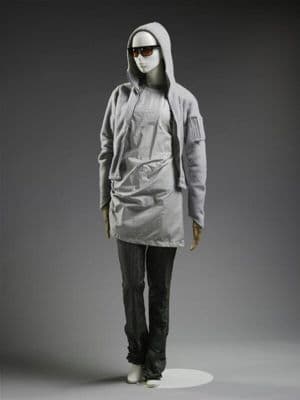
Both garments weaponize recycled materials as high design, but where the orange dress transforms waste into baroque theater—those cascading pleats and asymmetrical draping could have stepped off a Bernini sculpture—the gray hoodie dress strips sustainability down to monastic essentials.
That periwinkle hood reads like a deconstructed blueprint for the burnt orange dress's theatrical draping — both garments treat jersey as sculptural material, wrapping and folding fabric into architectural forms that prioritize movement over conventional fit. The hood's asymmetrical cowl and the dress's cascading pleats share the same DNA of 1980s avant-garde experimentation, where designers like Issey Miyake and Comme des Garçons taught fashion to think in three dimensions.