V&A
Burgundy Green Plaid Wool Swing Coat
1950s · 1960s · American
Designer
Bonnie Cashin
Production
ready-to-wear
Material
wool tweed
Culture
American
Movement
American Sportswear · New Look / Post-War
Influences
Scottish tartan tradition · 1960s geometric modernism
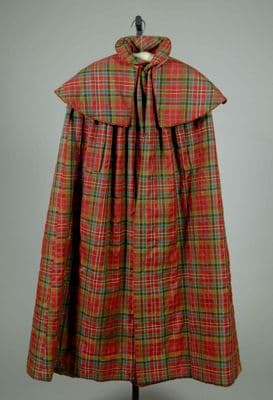
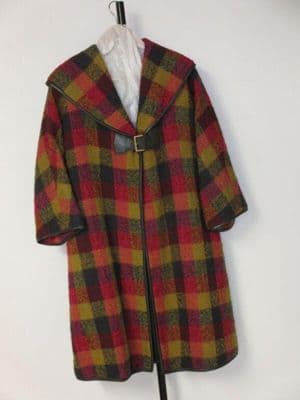
A voluminous wool tweed coat featuring a bold tartan plaid pattern in burgundy, forest green, golden yellow, and dark brown. The garment displays a distinctly boxy, oversized silhouette characteristic of 1960s modernist design. The coat features a wide notched collar, three-quarter length sleeves, and appears to close with a single large button at the chest. The plaid pattern consists of large-scale checks with contrasting grid lines creating a geometric framework. The construction appears to be machine-tailored with clean, architectural lines that emphasize the coat's structural form over body-conforming fit. The substantial weight of the wool tweed and the coat's generous proportions suggest it was designed for both warmth and making a bold visual statement, reflecting the era's embrace of geometric patterns and simplified, modernist silhouettes.
coata-lineknee length
Connected To
Influences·Scottish tartan traditionTechnique·machine-weaving
SHARED60 years · cross-culture
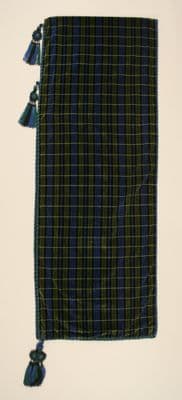
These two pieces trace the long journey of Scottish tartan from Highland clan identity to global fashion currency. The 1950s swing coat treats plaid as pure pattern—those bold burgundy and forest green checks scaled up into an all-American statement of post-war optimism, the oversized silhouette as confident as the era itself.
Pull the Thread→
Follow this garment wherever the graph leads