V&A
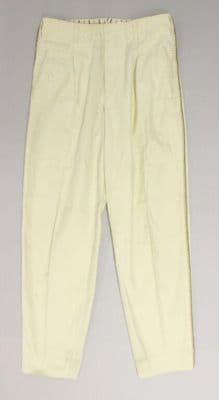
Cream Rough-Woven Silk Linen Straight Trousers
1990s · 1990s · Japanese
Designer
Matsuda
Production
ready-to-wear
Material
rough-woven silk and linen blend
Culture
Japanese
Movement
Japanese minimalism · Minimalism
Influences
Japanese minimalism · 1990s relaxed tailoring
These cream-colored trousers feature a relaxed straight-leg silhouette with a mid-rise waist. The rough-woven silk and linen blend fabric creates a textured, matte surface with visible weave structure that catches light subtly. The construction shows clean tailoring with pressed center creases running down each leg. The waistband appears to have belt loops and likely a zip or button closure. The cut is neither fitted nor oversized, representing the minimalist aesthetic of 1990s Japanese fashion design. The natural fiber blend and neutral tone reflect the decade's move toward understated luxury and sustainable materials in high-end ready-to-wear.
pantsstraightfloor length
Connected To
Influences·Japanese minimalismMovement·Minimalism
SHAREDsame era · cross-culture · cross-category
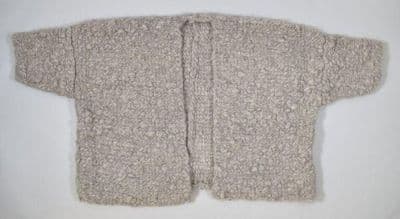
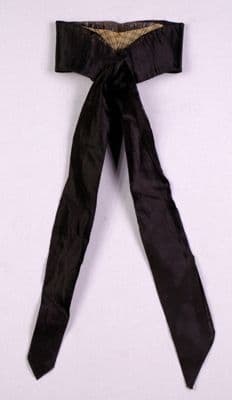
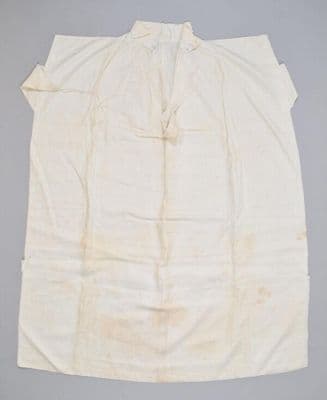
These two pieces capture the 1990s minimalist moment when fashion stripped down to essential textures and forms, but they arrive there through completely different cultural routes.
Pull the Thread→
Follow this garment wherever the graph leads