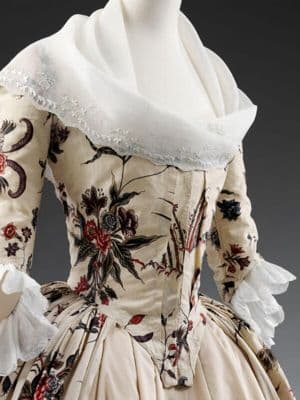
V&A
White Muslin Sleeve Ruffle with Embroidered Florals
Rococo · 1760s · British
Production
handmade
Material
whitework muslin
Culture
British
Influences
French court fashion · rococo decorative arts
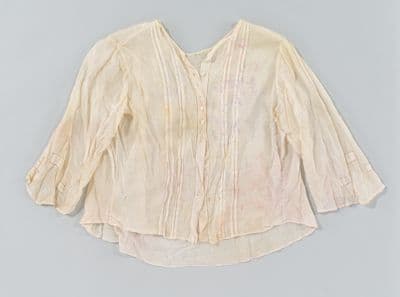
A delicate sleeve ruffle crafted from fine whitework muslin, featuring intricate hand-embroidered floral motifs in white thread on white ground. The ruffle displays characteristic rococo-era needlework with scattered botanical designs including small flowers and leaves worked in various whitework techniques. The muslin fabric appears lightweight and semi-sheer, typical of 18th-century luxury linens. The ruffle would have been attached to the sleeve of a formal gown, creating the layered, decorative effect favored in rococo fashion. The embroidery shows fine craftsmanship with raised and padded elements creating textural variation across the surface.
dress
Connected To
Influences·French court fashionWorn with·formal gownFunction·court-formal
SHARED40 years · cross-category
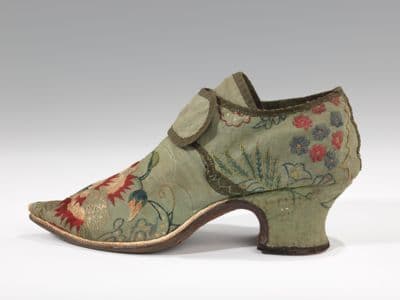
These pieces reveal how 18th-century British fashion borrowed wholesale from French court aesthetics, translating Versailles luxury into domestic interpretations. The shoe's sage silk brocade blooms with the same delicate florals that dance across the gown's embroidered sleeves—both deploying nature motifs as coded signals of refinement and leisure.
Text61%
Image78%
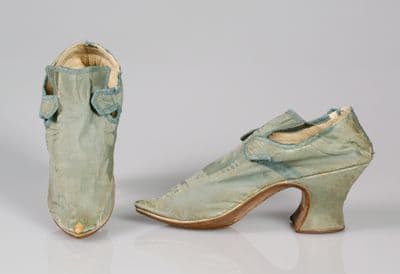
Influences·French court fashionWorn with·formal gownFunction·court-formal
SHARED20 years · cross-culture · cross-category
These pale green silk shoes and the embroidered muslin sleeve speak the same rococo language of delicate excess, where even the smallest details demanded ornamentation. The shoes' damask weave catches light like the fine whitework embroidery that transforms simple muslin into something precious — both employ textile techniques that whisper luxury rather than shout it.
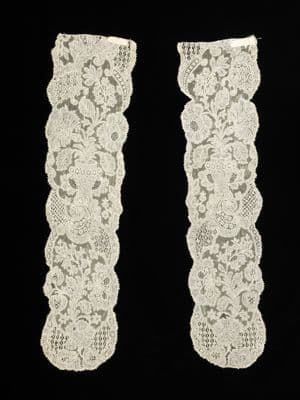
Influences·rococo decorative arts
SHARED10 years · cross-culture · cross-category
These delicate accessories reveal how rococo's obsession with natural forms played out in two very different textile traditions. The Flemish bobbin lace lappets cascade with dimensional florals worked in thread so fine it practically dissolves into shadow, while the British muslin ruffles take the same botanical impulse and flatten it into precise embroidered sprigs scattered across translucent fabric.
Text
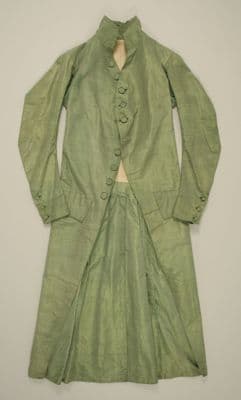
Influences·French court fashionFunction·court-formal
SHARED20 years · cross-culture · cross-category
The sage silk coat's austere button-front formality and the muslin sleeve's cascading ruffles both bow to Versailles, but they're speaking different dialects of the same court language. Where the Italian coat channels French grandeur through restraint—that moss-green silk catching light like armor—the British sleeve whispers it through delicate embroidered florals and layers of white froth that would peek from beneath a gown's tight sleeves.
Echoes Across Time
Rococo → Rococo · 40yr71%
SHARED
These pieces reveal how 18th-century British fashion borrowed wholesale from French court aesthetics, translating Versailles luxury into domestic interpretations. The shoe's sage silk brocade blooms with the same delicate florals that dance across the gown's embroidered sleeves—both deploying nature motifs as coded signals of refinement and leisure.
Influences·French court fashionWorn with·formal gownFunction·court-formal
Pull the Thread→
Follow this garment wherever the graph leads