1970s · 1970s · American
Production
ready-to-wear
Material
cotton flannel
Culture
American
Movement
Hippie / Counterculture
Influences
Scottish tartan tradition · American workwear
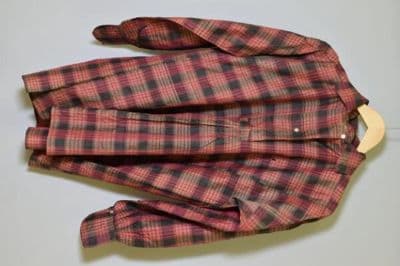
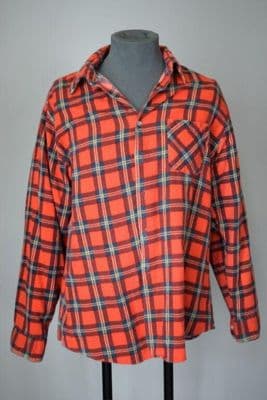
A classic flannel shirt in red, black, and white plaid featuring a traditional tartan pattern with intersecting lines forming rectangular blocks. The shirt has a pointed collar, button-front closure, and a chest pocket with matching plaid pattern. The construction shows machine-sewn seams typical of ready-to-wear production. The flannel fabric appears to have a soft, brushed surface characteristic of cotton flannel weaving. The cut is relaxed through the body with straight side seams and a curved hem. This represents the adoption of workwear and outdoor clothing into casual fashion during the 1970s counterculture movement.


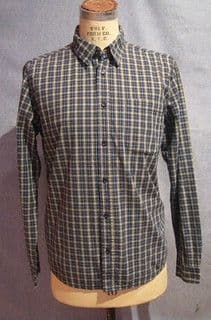
The actor's navy tartan blazer and that vintage flannel shirt are separated by decades and dress codes, but they're both descendants of Scottish Highland clan patterns that somehow became the universal language of "I'm approachable but still put-together." The blazer translates tartan into contemporary menswear formality—structured shoulders, proper lapels, the kind of thing you wear to a film premiere—while the flannel keeps the pattern's original democratic spirit, soft and unstructured like s.

Follow this garment wherever the graph leads
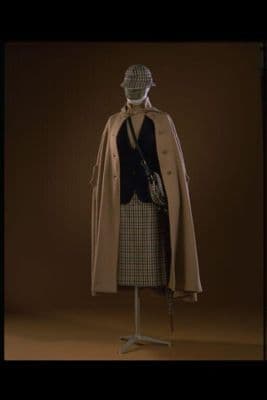
The red flannel shirt's bold tartan and that camel coat's subtle glen plaid both mine the same Scottish textile DNA, but they're speaking entirely different languages about it. The shirt shouts American counterculture rebellion—oversized, unisex, borrowed from lumberjacks and adopted by hippies who wanted to reject bourgeois dress codes.
The actor's navy tartan blazer and that vintage flannel shirt are separated by decades and dress codes, but they're both descendants of Scottish Highland clan patterns that somehow became the universal language of "I'm approachable but still put-together." The blazer translates tartan into contemporary menswear formality—structured shoulders, proper lapels, the kind of thing you wear to a film premiere—while the flannel keeps the pattern's original democratic spirit, soft and unstructured like s.
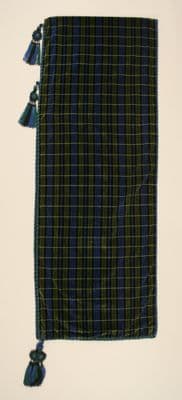
The Victorian silk hood's navy-and-forest tartan and that 1970s flannel shirt's red plaid are both descendants of Scottish clan patterns, but they've traveled vastly different social territories to get here. The hood, with its formal silk weave and decorative tassels, speaks to tartan's 19th-century role as respectable fashion—domesticated Highland rebellion for middle-class American women.
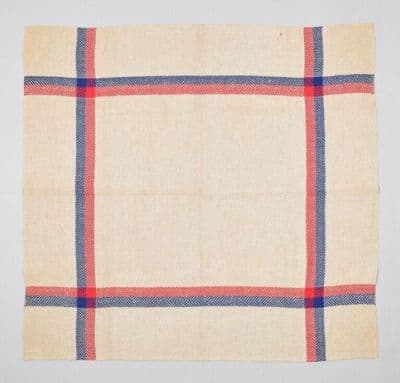
The flannel shirt's bold red-and-black checks and the scarf's restrained cream windowpane both descend from Scottish tartan, but they've traveled vastly different social paths to get here. Where the Depression-era scarf whispers its geometric restraint in muted linen—a genteel nod to clan patterns stripped of their Highland drama—the 1970s flannel shouts its plaid inheritance in saturated cotton, transformed from aristocratic signifier to working-class uniform.

The Victorian silk hood's navy-and-forest tartan and that 1970s flannel shirt's red plaid are both descendants of Scottish clan patterns, but they've traveled vastly different social territories to get here. The hood, with its formal silk weave and decorative tassels, speaks to tartan's 19th-century role as respectable fashion—domesticated Highland rebellion for middle-class American women.