V&A
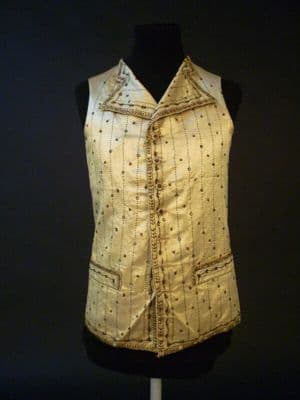
Ivory Satin Waistcoat with Chenille Embroidery
Revolutionary / Directoire · 1790s · British
Production
handmade
Material
silk satin
Culture
British
This ivory silk satin waistcoat displays the refined tailoring characteristic of late 18th-century menswear. The garment features a deep V-neckline with wide lapels and a fitted silhouette that would have been worn over a shirt and under a coat. The surface is decorated with delicate embroidered dots or small motifs in gold thread, creating an all-over pattern typical of the period's taste for subtle luxury. The front closure shows multiple buttons extending down the center front, and the waistcoat appears to have been altered in the late 19th or early 20th century, evidenced by changes to the original cut and construction that reflect later fashion preferences.
vesttight fitv-neckhip length
Connected To
Worn with·coatWorn with·shirt
SHARED50 years · cross-culture · cross-category
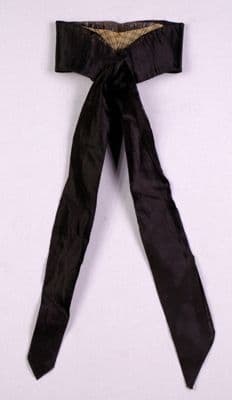
These two pieces trace the evolution of masculine restraint across the Atlantic and half a century. The black silk stock with its subtle leather piping represents the kind of understated elegance that American gentlemen adopted from European court dress, while the ivory waistcoat's delicate chenille dots and quilted texture shows how British men were already moving toward the more subdued palette that would define the next century.
Text76%
Image73%
Entity30%
60%
Worn with·breechesWorn with·coat
SHARED40 years
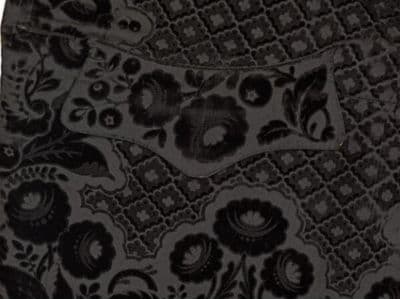
These waistcoats capture the dramatic shift in masculine taste as the 18th century lurched toward revolution. The earlier black velvet piece revels in Rococo excess—its surface crawling with quilted diamonds and blooming florals that would have caught candlelight at Versailles-inspired soirées.
Worn with·breechesWorn with·shirt
SHARED10 years · cross-culture
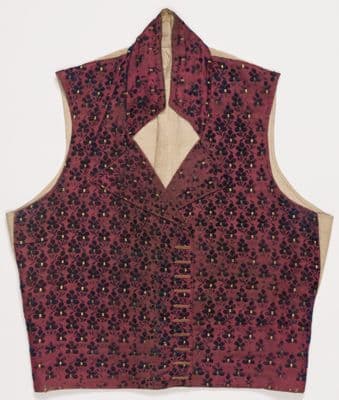
These waistcoats capture the dramatic shift from aristocratic excess to revolutionary restraint, yet both cling to the same essential vanity of the well-dressed man. The burgundy velvet's all-over floral pattern speaks to the Empire period's nostalgia for pre-revolutionary luxury, while the ivory satin's delicate chenille dots and neoclassical cut reflect the Directoire's studied simplicity—though that silk satin and hand-embroidery hardly scream republican virtue.
Worn with·breechesTechnique·hand-embroideryFunction·court-formal
SHARED20 years · cross-culture · cross-category
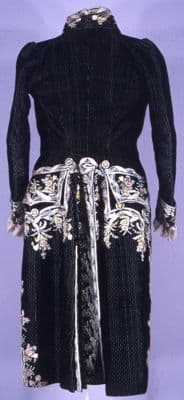
These two garments capture the seismic shift from aristocratic excess to bourgeois restraint that swept through men's fashion in the late 18th century. The French court coat's cascading silver embroidery—those serpentine floral vines that pool around the hem and cuffs—represents the final flowering of rococo extravagance, where a man's status was measured in the yards of metallic thread his tailor could afford to waste.
Pull the Thread→
Follow this garment wherever the graph leads