FASHIONPEDIA
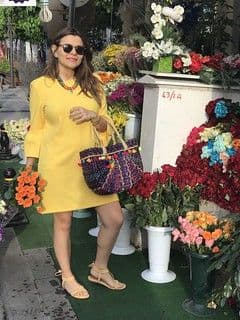
Bright Yellow Cotton Blend A-Line Shift Dress
2020s · 2020s · Western
Production
ready-to-wear
Material
cotton blend
Culture
Western
Movement
Dopamine Dressing
Influences
1960s mod shift dress
A vibrant yellow A-line shift dress with three-quarter sleeves and above-knee length. The garment features a simple, unfitted silhouette that skims the body without defining the waist. The cotton blend fabric appears lightweight and comfortable, suitable for warm weather. The dress has a modest round neckline and straight-cut sleeves that end mid-forearm. The hemline falls several inches above the knee, creating a youthful, casual appearance. This piece exemplifies the dopamine dressing trend with its bold, cheerful color designed to boost mood and confidence through bright, optimistic fashion choices.
dressa-lineround neckabove-the-knee
Connected To
Influences·1960s mod shift dress
SHARED60 years · cross-culture
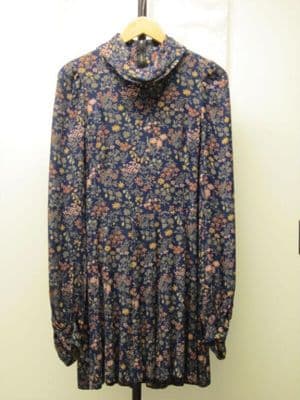
These two dresses are separated by decades but united by the same geometric proposition: the A-line shift that skims the body without clinging to it. The yellow dress on the left carries forward the 1960s mod template with its clean lines and mini length, while the navy floral dress pushes that same silhouette into bohemian territory with its turtleneck and ditsy print.
Text
Echoes Across Time
2020s → 1970s · 60yr61%
SHARED
These two dresses are separated by decades but united by the same geometric proposition: the A-line shift that skims the body without clinging to it. The yellow dress on the left carries forward the 1960s mod template with its clean lines and mini length, while the navy floral dress pushes that same silhouette into bohemian territory with its turtleneck and ditsy print.
Influences·1960s mod shift dress
2020s → 1970s · 50yr61%
Pull the Thread→
Follow this garment wherever the graph leads