FASHIONPEDIA
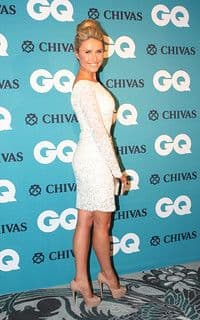
Bright Yellow Stretch Crepe Bodycon Sheath Dress
2000s · 2010s · American
Production
ready-to-wear
Material
stretch crepe
Culture
American
Movement
Indie Sleaze
Influences
1980s power suit silhouette · 1960s mod shift dress
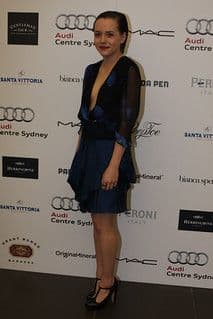
A vibrant yellow bodycon sheath dress with a deep V-neckline and sleeveless design. The dress follows the body's contours closely, ending just above the knee in a classic pencil silhouette. The stretch crepe fabric allows for a smooth, unbroken line from bust to hem. A thin belt or seaming detail defines the waist. The garment features clean, minimal construction with no visible embellishments. Paired with bright pink pointed-toe pumps, this represents contemporary formal wear influenced by 1980s power dressing aesthetics but updated with modern stretch fabrics and streamlined tailoring typical of 2010s red carpet fashion.
dresspencilv-neckknee length
Connected To
65%
Influences·1980s power suit silhouette
SHARED30 years · cross-category
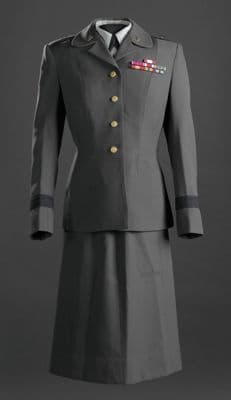
The military jacket's sharp shoulder line and nipped waist echo through decades to that yellow dress's body-conscious silhouette — both built on the same architectural principle of creating an authoritative female form through precise tailoring. Where the uniform achieves power through brass buttons and structured wool that could withstand inspection, the stretch crepe dress gets there through sheer second-skin fit and that confident yellow that demands attention across any room.
Echoes Across Time
2000s → 1990s · 40yr60%
SHARED
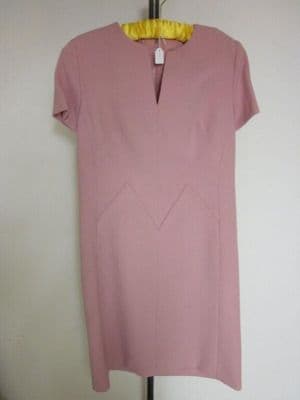
The yellow dress pulls that classic 1960s shift through a 2000s bodycon filter—same clean lines and mini length, but now it clings rather than skims, turning mod restraint into red-carpet sex appeal. The dusty rose dress stays truer to the original mod blueprint with its boxy cut and geometric chevron seaming, proving that sometimes the most radical thing you can do is refuse to update a perfect silhouette.
Influences·1960s mod shift dress
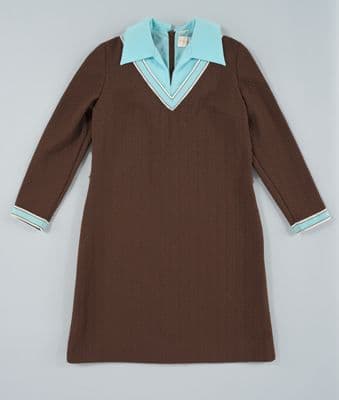
2000s → 1970s · 40yr59%
Pull the Thread→
Follow this garment wherever the graph leads