
FASHIONPEDIA
White Ponte Knit Floral Pencil Sheath Dress
1990s · 2020s · Western
Production
ready-to-wear
Material
ponte knit
Culture
Western
Movement
Minimalism
Influences
1960s mod shift dress
A sleek white fitted sheath dress with three-quarter sleeves and a hemline just above the knee. The garment features a high rounded neckline and appears to be constructed from a substantial ponte knit that creates a smooth, structured silhouette without visible seaming or embellishment. The dress follows the body's natural curves closely, creating a streamlined column effect. The fabric appears to have a slight sheen and substantial weight that maintains the garment's shape. The minimalist design emphasizes clean lines and precise tailoring, with the white color providing stark contrast against the wearer's skin. This represents the understated luxury aesthetic of contemporary formal wear.
dresspencilround neckabove-the-knee
Connected To

Influences·1960s mod shift dress
SHARED10 years · cross-culture
These two dresses are separated by a decade but united by their devotion to the body-skimming sheath that Courrèges and Mary Quant perfected in the 1960s. The white dress maintains that mod restraint with its high neckline and long sleeves, while the yellow version strips away the coverage to reveal the sheath's essential truth: it's all about the silhouette, that clean line from shoulder to hem that turns the body into pure geometry.
Echoes Across Time
1990s → 1970s · 60yr60%
SHARED
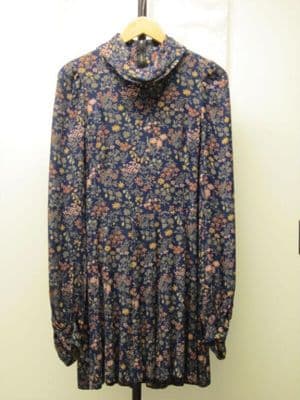
The white bodycon dress and the navy floral mini both descend from the same 1960s mod revolution that liberated women from waist-cinching silhouettes, but they've traveled very different paths to get here. The white dress has evolved into pure minimalism—that clean ponte knit hugging every curve speaks to decades of technical fabric innovation and the Instagram age's hunger for sleek, camera-ready lines.
Influences·1960s mod shift dress
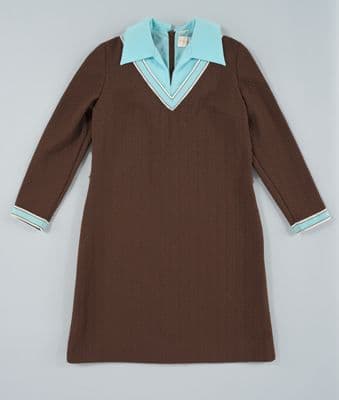
1990s → 1970s · 50yr60%
Pull the Thread→
Follow this garment wherever the graph leads