THE MET
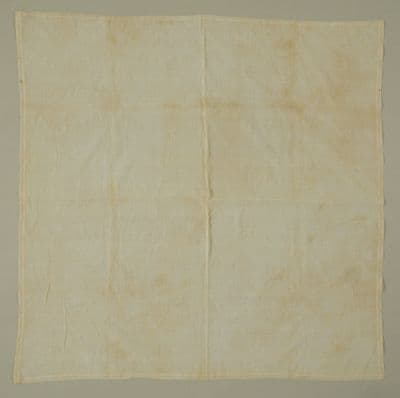
Cream Cotton Muslin Triangular Fichu
Rococo · 1780s-1800s · American
Production
handmade
Material
cotton muslin
Culture
American
Influences
French fichu tradition
A triangular cotton muslin fichu displaying the characteristic cream coloration with subtle yellowing from age. The textile shows a plain weave construction typical of 18th-century muslin production. The fichu maintains its original triangular shape with visible fold lines indicating how it would have been worn draped around the shoulders and crossed over the chest. The fabric appears lightweight and semi-sheer, consistent with the fine cotton muslins imported or produced in colonial America during the Rococo period. Subtle staining and discoloration patterns suggest natural aging of the cotton fibers. The edges appear to be finished with simple hems, demonstrating the practical construction methods used for these essential feminine accessories.
scarfsquare
Connected To
Worn with·chemiseWorn with·gownWorn with·stays
SHARED40 years · cross-category
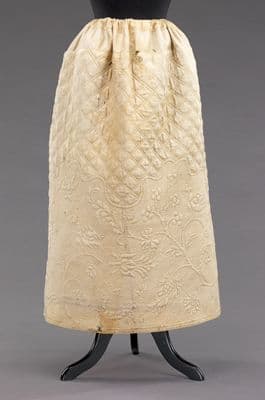
These two cream-colored garments speak to the stubborn persistence of quilting as both necessity and ornament in American women's dress. The triangular fichu's simple cotton muslin bears the ghost of quilted diamonds—practical stitching that kept layers together while creating subtle surface texture for what was essentially underwear made visible.
Text54%
Image69%
Entity
Worn with·chemiseWorn with·gownWorn with·stays
SHAREDsame era · cross-culture · cross-category
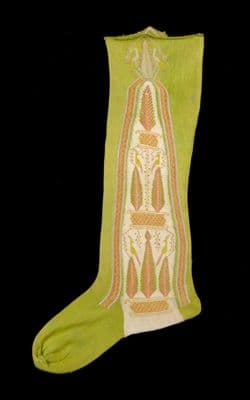
These two pieces reveal how 18th-century restraint could coexist with flash, even on the same body. The fichu's pristine simplicity—just cream muslin folded into clean triangular planes—provided the demure chest coverage that propriety demanded, while those chartreuse stockings, blazing with their elaborate embroidered totems, delivered the kind of controlled exhibitionism that made a glimpse of ankle worth engineering.
Worn with·chemiseWorn with·gown
SHARED40 years · cross-category
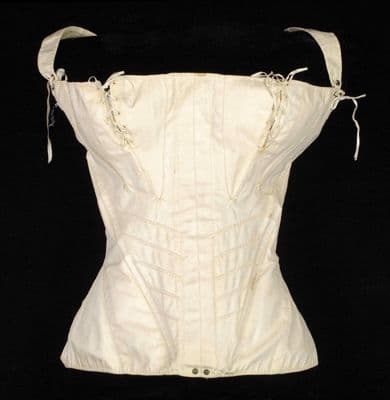
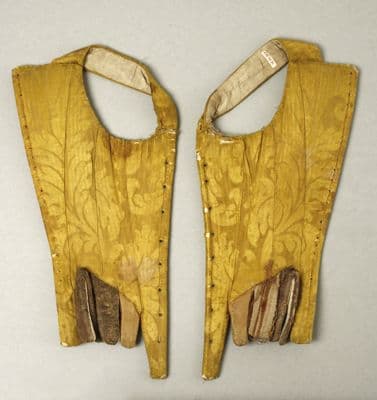
These two pieces reveal how 18th-century American women layered intimacy and modesty with surgical precision. The triangular fichu's crisp folds would have tucked demurely into the stays' severe neckline, the muslin's soft drape a calculated contrast to the corset's rigid architecture of whalebone channels radiating like prison bars across the torso.
Worn with·chemiseWorn with·gown
SHAREDsame era · cross-culture · cross-category
Text58%
Pull the Thread→
Follow this garment wherever the graph leads