THE MET
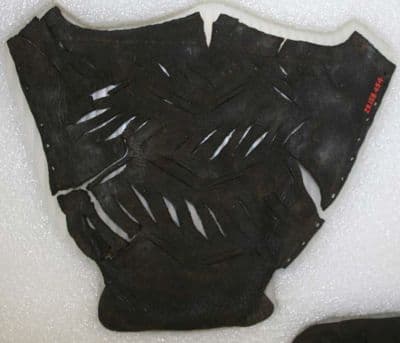
Black Leather Decorative Slashed Shoes
Rococo · 1780s-1790s · British
Production
handmade
Material
black leather
Culture
British
Influences
Renaissance slashing technique · 18th-century decorative leatherwork
A pair of black leather shoes featuring an elaborate decorative slashing technique across the upper surfaces. The leather has been precisely cut in diagonal parallel lines creating a feathered or scaled pattern that reveals glimpses of the interior. The shoes appear to be slip-on style with pointed or slightly rounded toes typical of 18th-century footwear. The slashing creates both visual texture and potentially functional ventilation. The construction shows skilled leatherwork with clean, even cuts that follow the natural curves of the foot. This decorative technique transforms practical footwear into ornamental objects reflecting Rococo period fascination with surface embellishment and craftsmanship.
shoe
Connected To
Worn with·breechesWorn with·stockingsFunction·court-formal
SHARED130 years · cross-category
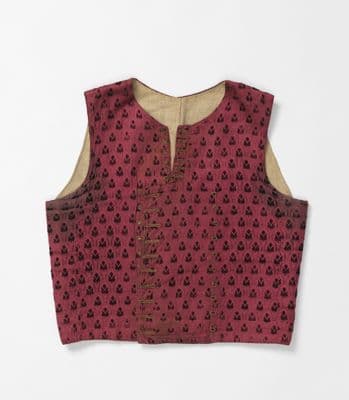
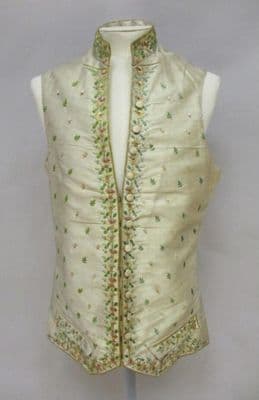
Both garments speak the same aristocratic language of calculated excess, where surface decoration signals serious social currency. The rococo shoes' aggressive leather slashing creates a rhythm of shadow and light that finds its echo 130 years later in the waistcoat's meticulous constellation of embroidered sprigs—each tiny motif as deliberately placed as each calculated cut.
Text50%
Image65%
Worn with·breechesWorn with·stockingsFunction·court-formal
SHARED30 years · cross-culture · cross-category
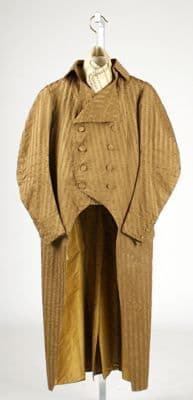
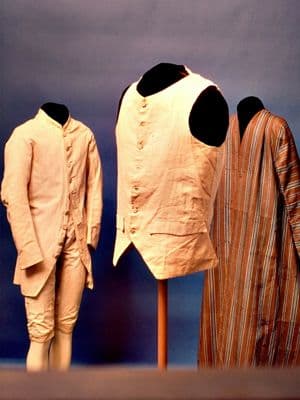
These pieces reveal how the Rococo obsession with surface ornament translated across an ocean and down the social ladder. The British shoes' precise leather slashing—those deliberate cuts that let silk stockings peek through like expensive secrets—echo the same decorative impulse as the careful button detailing and tailored precision of Sheldon's American suit.
Worn with·stockingsTechnique·leather-workingFunction·court-formal
SHARED130 years · cross-culture
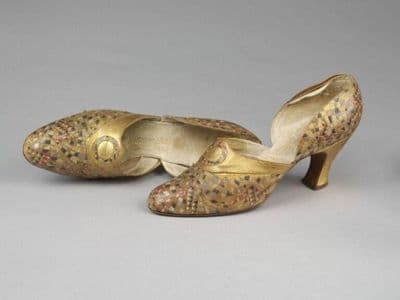
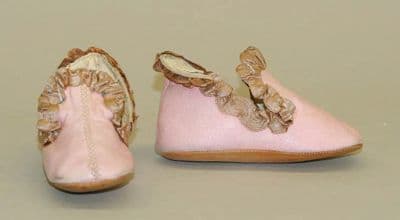
These shoes are separated by over a century but united by the aristocratic impulse to make even the most mundane surface a canvas for excess. The earlier black leather pair transforms the foot into something almost reptilian through its aggressive slashing—each cut revealing glimpses of what lies beneath, a technique borrowed from 16th-century doublets that spoke of wealth through deliberate destruction of expensive materials.
Worn with·breechesFunction·court-formal
SHARED40 years · cross-culture · cross-category
Text56%
Echoes Across Time
Rococo → Victorian Late / Bustle · 130yr63%
SHARED
Both garments speak the same aristocratic language of calculated excess, where surface decoration signals serious social currency. The rococo shoes' aggressive leather slashing creates a rhythm of shadow and light that finds its echo 130 years later in the waistcoat's meticulous constellation of embroidered sprigs—each tiny motif as deliberately placed as each calculated cut.
Worn with·breechesWorn with·stockingsFunction·court-formal
Pull the Thread→
Follow this garment wherever the graph leads