FASHIONPEDIA
Blue Black Check Cotton Button-Down Shirt
2010s · 2010s · American
Production
ready-to-wear
Material
cotton
Culture
American
Movement
Normcore
Influences
American workwear tradition · 1990s grunge flannel
A casual button-down shirt featuring a blue and black plaid pattern in a traditional gingham or buffalo check weave. The shirt has a standard collar, front button placket, and appears to be cut in a relaxed, straight silhouette typical of contemporary casual menswear. The cotton fabric appears to have a smooth, lightweight weave suitable for everyday wear. The plaid pattern consists of intersecting horizontal and vertical lines creating a regular grid of squares in alternating blue and black tones. The shirt is styled with dark denim jeans, representing the enduring American casual uniform of plaid shirt and jeans that spans multiple decades.
shirtregularhip
Connected To
Influences·American workwear traditionTechnique·machine-weaving
LINEAGE20 years→ directed
Lineage: “American workwear tradition”
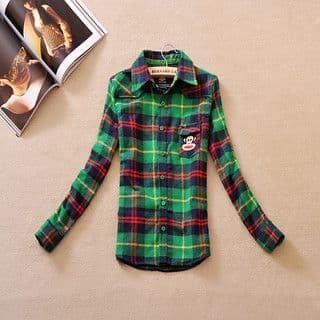
The forest green flannel carries the full weight of American workwear's mythology—thick cotton built for actual labor, with that oversized cut that says function over form. Two decades later, the blue check shirt has absorbed that same DNA but filtered it through a leaner, more self-conscious lens: the proportions are trimmed, the weave lighter, the whole thing designed for someone who wants to reference authenticity rather than live it.
Pull the Thread→
Follow this garment wherever the graph leads