V&A
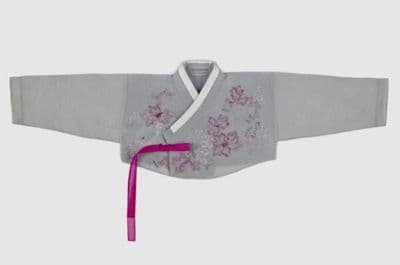
Light Gray Silk Girls' Hanbok Jacket
Korean Traditional · 1980s · Korean
Production
handmade
Material
silk
Culture
Korean
Influences
traditional Korean hanbok construction
A traditional Korean hanbok jacket (jeogori) sized for a child, constructed in light gray silk with white collar trim and magenta tie ribbon. The garment features the characteristic hanbok silhouette with wide, curved sleeves that taper at the wrists and a short bodice that ends at the natural waist. Delicate floral embroidery in pink tones decorates the front panels, likely cherry blossoms or similar traditional motifs. The white collar forms a clean V-neck opening, secured by a long magenta silk ribbon (goreum) that would tie in a decorative bow. The construction follows centuries-old Korean tailoring methods with curved seam lines that create the jacket's distinctive flowing shape when worn.
dress
Connected To
Influences·traditional Korean hanbok construction
SHARED60 years · cross-category
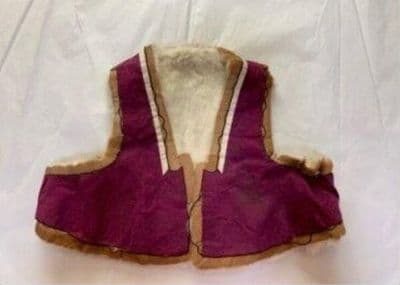
The deep purple vest's fur-trimmed edges and abbreviated silhouette speak to the 1920s appetite for exotic touches on familiar forms—Korean hanbok construction stripped down to Jazz Age proportions. Six decades later, the gray hanbok jacket with its delicate floral embroidery and traditional wrap closure represents the source material in its pure form, complete with the graceful extended sleeves that the earlier vest abandoned for Western practicality.
Text76%
Image66%
Entity26%
Influences·traditional Korean hanbok construction
SHARED60 years
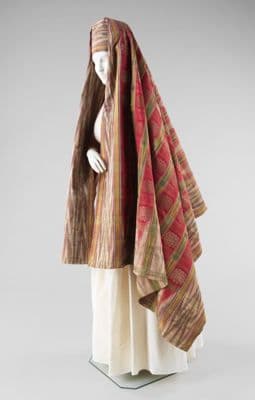
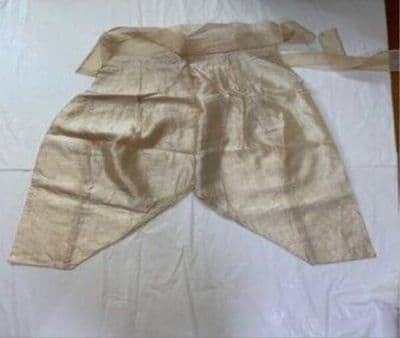
These two pieces reveal how hanbok construction stayed remarkably consistent even as Korea modernized—the cream cotton petticoat from the 1920s uses the same voluminous, gathered silhouette and tie-waist system as the contemporary silk jacket's wrap-front closure with its dangling ribbon ties.
Text77%
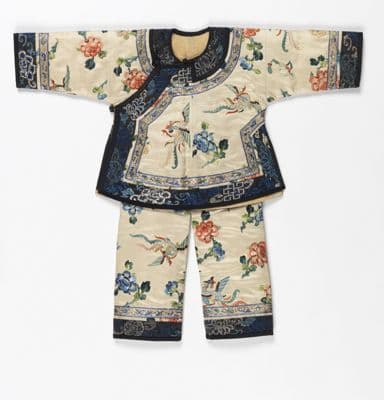
Technique·hand-embroideryFunction·festival-celebration
SHARED80 years · cross-culture · cross-category
Text75%
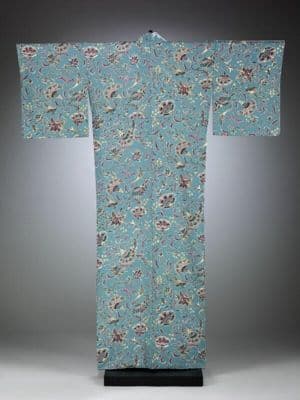
Worn with·undergarmentsFunction·religious-ceremonial
SHARED30 years · cross-culture
Text70%
Echoes Across Time
Roaring Twenties / Art Deco → Korean Traditional · 60yr57%
SHARED
The deep purple vest's fur-trimmed edges and abbreviated silhouette speak to the 1920s appetite for exotic touches on familiar forms—Korean hanbok construction stripped down to Jazz Age proportions. Six decades later, the gray hanbok jacket with its delicate floral embroidery and traditional wrap closure represents the source material in its pure form, complete with the graceful extended sleeves that the earlier vest abandoned for Western practicality.
Influences·traditional Korean hanbok construction
Roaring Twenties / Art Deco → Korean Traditional
Pull the Thread→
Follow this garment wherever the graph leads