V&A
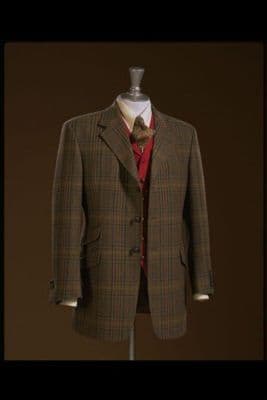
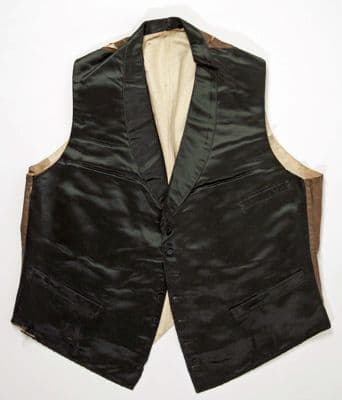
Brown Tan Glen Plaid Tweed Waistcoat
2010s · 1990s · British
Designer
Daks-Simpson
Production
ready-to-wear
Material
wool tweed
Culture
British
Movement
Dark Academia
Influences
Savile Row tailoring · Scottish tweed tradition
A traditional British three-piece suit in brown and tan glen plaid tweed, featuring a single-breasted jacket with notched lapels, flap pockets, and three-button closure. The matching waistcoat displays a burgundy red wool back panel with leather buttons, creating contrast against the tweed front. The ensemble includes matching trousers and is styled with a white dress shirt and burgundy tie. The wool tweed shows a classic glen check pattern in earth tones. The tailoring follows traditional British menswear construction with structured shoulders and a fitted silhouette that reflects 1990s business formal standards.
vestregular fitv-neckhip length
Connected To
Influences·Savile Row tailoringWorn with·dress shirtWorn with·dress shoes
Pull the Thread→
Follow this garment wherever the graph leads