V&A
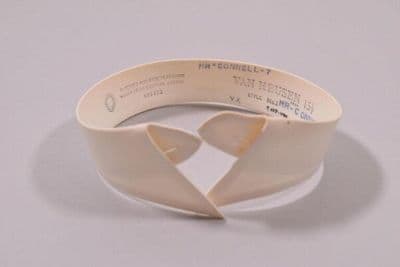
White Cotton Detachable Stand-Up Shirt Collar
Edwardian · 1960s · British
Designer
Van Heusen
Production
mass-produced
Material
cotton
Culture
British
Influences
Victorian detachable collar tradition
A crisp white cotton detachable collar with a structured stand-up design characteristic of formal menswear. The collar features clean geometric lines with pointed tips and a band that would fasten around the neck separately from the shirt. Printed text is visible on the interior band, likely manufacturer information including 'Van Heusen' branding. The collar maintains its rigid shape through starch or interfacing, creating sharp edges and a precise silhouette. This type of detachable collar was a practical solution for maintaining formal appearance while allowing easy laundering and replacement, representing the era's focus on convenience and modern efficiency in menswear.
shirt/blouse
Connected To
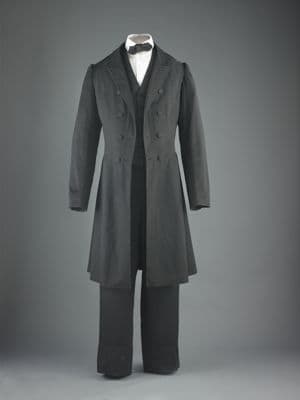
Worn with·dress shirtWorn with·necktie
SHARED100 years · cross-culture · cross-category
That starched white collar, with its ruler-straight edges and mathematical precision, would have sat beneath Lincoln's somber wool coat like a beacon of Victorian propriety — the same rigid band of respectability that every man of standing wore as armor against the world.
Text45%
Image48%
Entity27%
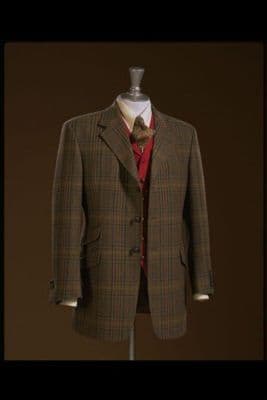
Worn with·dress shirtWorn with·necktie
SHARED30 years · cross-category
That pristine detachable collar, stamped with its maker's mark like a piece of Victorian engineering, represents the height of Edwardian formality when even a gentleman's neck required architectural precision. Fast-forward a century to this glen plaid waistcoat—part of the endless British tailoring revival that treats Savile Row codes like sacred text—and you see how menswear's most rigid conventions have softened into costume.
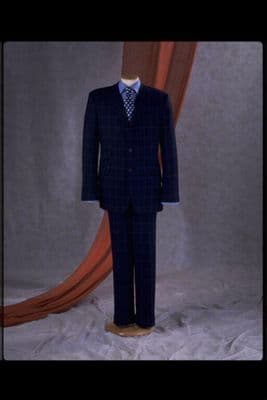
Worn with·dress shirtWorn with·necktie
SHARED30 years
That crisp white detachable collar is the ghost in the machine of every dress shirt that followed, including this navy pinstriped number from the 1980s. The Edwardian collar's stand-up formality and precise white cotton construction established the DNA for shirt dressing that would endure through decades—notice how both pieces depend on that same architectural relationship between collar height, tie knot, and jacket lapel.
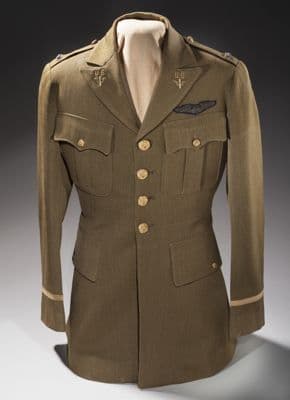
Worn with·dress shirtWorn with·necktie
SHARED20 years · cross-culture · cross-category
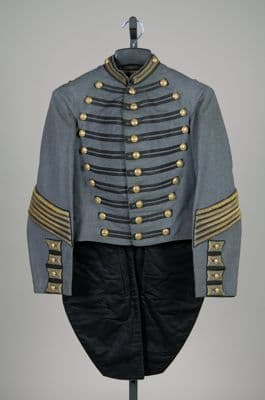
The crisp geometry of that detachable Edwardian collar—its precise stand and sharp points—lives on in the military jacket's knife-edge lapels and the way its breast pockets snap to attention with geometric precision. What separates them is forty years and a world war, but both garments understand that authority comes from angles: the collar's starched defiance of gravity, the jacket's shoulders that refuse to slouch.

Pull the Thread→
Follow this garment wherever the graph leads