V&A
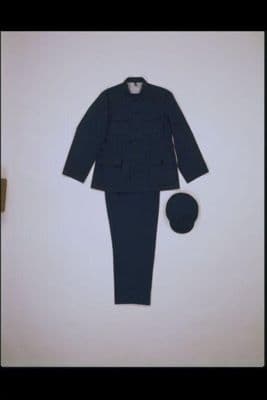
Navy Blue Cotton Twill Mao Suit Trousers
1990s · 1970s · Chinese
Production
mass-produced
Material
cotton twill
Culture
Chinese
Movement
Cultural Revolution fashion · Minimalism
Influences
Soviet worker uniforms · military utility wear
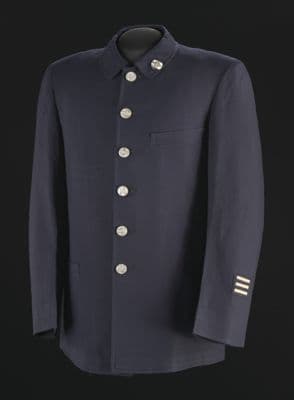
A complete Chinese Mao suit consisting of a high-collared jacket and matching straight-leg trousers in navy blue cotton twill. The jacket features a stand-up collar, straight front closure, and appears to have chest pockets. The trousers are cut straight through the leg with a practical fit. A matching cap completes the ensemble. This represents the standardized civilian uniform widely worn in China during the Cultural Revolution period, characterized by its austere, functional design that emphasized equality and rejected bourgeois fashion distinctions. The heavy cotton twill construction prioritizes durability and practicality over decorative elements.
pantsstraightfloor length
Connected To
Movement·MinimalismWorn with·trousersTechnique·machine-weaving
SHARED30 years · cross-culture · cross-category
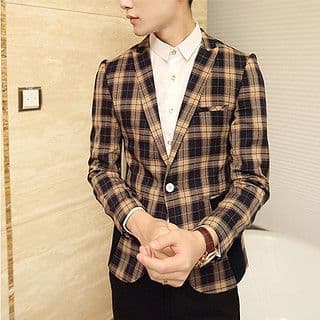
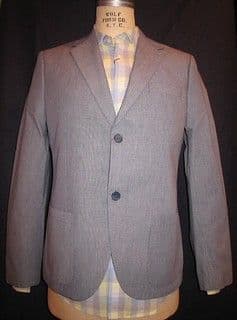
The gray blazer's clean two-button stance and the navy Mao suit share minimalism's obsession with stripping away ornament until only essential structure remains. One speaks corporate power through Western tailoring's sharp shoulders and pressed lapels, while the other channels revolutionary uniformity through its mandarin collar and utilitarian cut — yet both reject decoration for ideology, whether capitalist efficiency or socialist equality.
Pull the Thread→
Follow this garment wherever the graph leads