SMITHSONIAN
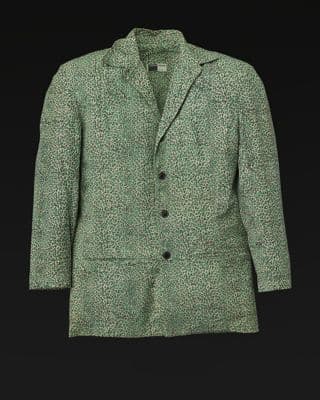
Sage Green Black Cheetah Print Cotton Blazer
1970s · 1960s · American
Designer
Willi Smith
Production
ready-to-wear
Material
cotton and plastic blend
Culture
American
Movement
Hippie / Counterculture
Influences
menswear tailoring · African textile patterns
A structured blazer featuring an all-over cheetah or leopard spot print in sage green and black. The jacket displays classic tailoring with notched lapels, a three-button front closure, and what appears to be patch pockets. The print consists of irregular organic spots scattered across the fabric surface, creating a bold animal-inspired pattern. The silhouette follows 1960s menswear-inspired tailoring with clean lines and moderate shoulder definition. The cotton-plastic blend fabric appears to have a smooth, slightly lustrous finish that enhances the print's visual impact while providing structure to the garment's geometric construction.
jacketregular fithip length
Connected To
Influences·menswear tailoringMovement·Hippie / Counterculture
SHAREDsame era · cross-culture · cross-category
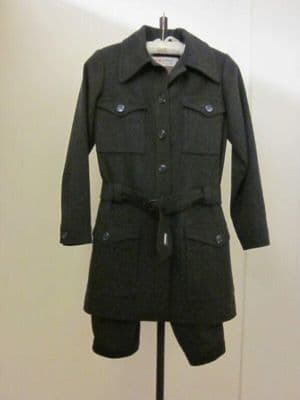
These two 1970s pieces reveal how the decade's menswear-borrowing impulse played out across different social strata and subcultural codes. The olive knickerbockers channel a kind of nostalgic dandyism—all those military-inspired chest pockets and belted waist suggesting someone cosplaying as a gentleman adventurer, while the sage blazer with its subtle animal print speaks to a more urban, nightlife sensibility where traditional suiting gets a predatory edge.
Echoes Across Time
2020s → 1970s · 50yr63%
SHARED
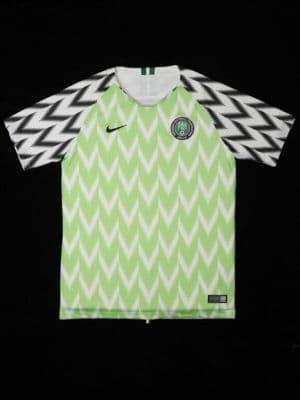
That electric lime chevron on Nigeria's 2018 World Cup jersey and this sage leopard-print blazer from the '70s both mine the visual language of African textiles, but with completely different intentions. The jersey's bold zigzag pattern directly references traditional Nigerian weaving, turning athletic wear into cultural armor on the world's biggest stage, while the blazer's animal print feels like a diluted, almost apologetic nod to African motifs filtered through American sportswear.
Influences·African textile patterns

1980s → 1970s
Pull the Thread→
Follow this garment wherever the graph leads