SMITHSONIAN
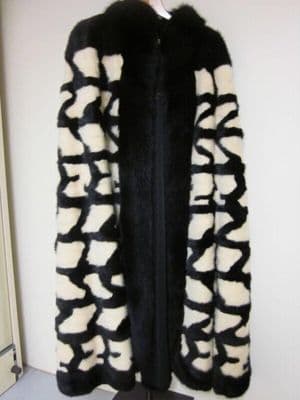
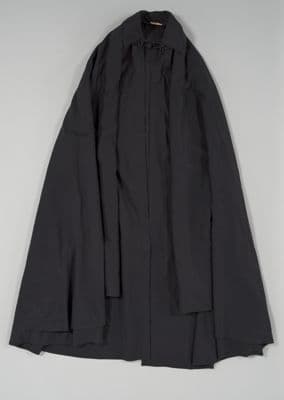
Black Wool Twill Dramatic Evening Cape
1970s · 1970s · American
Designer
Arthur McGee
Production
one-of-a-kind
Material
wool twill
Culture
American
Movement
Hippie / Counterculture
Influences
theatrical costume design · 1970s disco glamour
A full-length black wool twill cape with dramatic volume and theatrical presence. The garment features a high collar that can be worn closed at the neck, with long ties or sashes extending from the neckline. The cape's construction creates substantial drape and movement, with the fabric falling in generous folds from the shoulders to create a sweeping silhouette. The wool twill provides structure while maintaining fluidity. The design emphasizes bold, sculptural form over decorative detail, with clean lines and minimal embellishment. The cape's proportions and dramatic sweep reflect the theatrical sensibilities of 1970s fashion, particularly the era's embrace of statement outerwear that transformed the wearer's silhouette into something commanding and performative.
capetentfloor length
Connected To
Influences·theatrical costume designTechnique·drapingFunction·performance-costume
Echoes Across Time
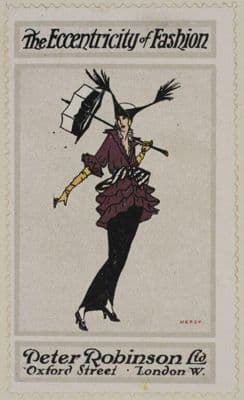
World War I Transition → 1970s · 60yr69%
SHARED
Both garments spring from the same theatrical impulse—the burgundy silk dress with its cartoonish puffed sleeves and the severe black cape share DNA from costume design, where clothes must read from the back row. The WWI-era dress translates stage exaggeration into daywear with those balloon sleeves that seem borrowed from commedia dell'arte, while the 1970s cape channels operatic drama through its monumental proportions and architectural draping.
Influences·theatrical costume designTechnique·drapingFunction·performance-costume
Pull the Thread→
Follow this garment wherever the graph leads