SMITHSONIAN
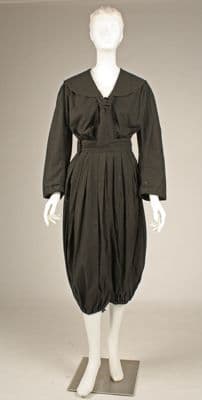
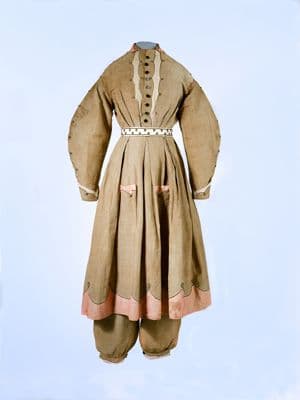
Tan Wool Twill Three-Piece Gymnasium Suit
Victorian Late / Bustle · 1860s · American
Production
handmade
Material
wool twill
Culture
American
Movement
Dress Reform Movement
Influences
Turkish trouser influence · dress reform movement
This three-piece gymnasium suit consists of a knee-length dress with full sleeves, matching loose trousers, and appears to include a separate belt or sash. The dress features a high neckline with button closure, full sleeves gathered at the wrists, and a moderately full skirt that would allow for movement during physical activity. The coral pink trim adorns the hem and possibly other edges, creating decorative contrast against the tan wool twill base. The matching trousers are cut full through the leg and gathered at the ankle, providing coverage while permitting exercise movements. This represents early women's athletic wear, designed to maintain modesty while enabling unprecedented physical activity for Victorian women.
dressa-linehigh neckbelow the knee
Connected To
Movement·Dress Reform MovementWorn with·chemiseWorn with·drawers
Echoes Across Time
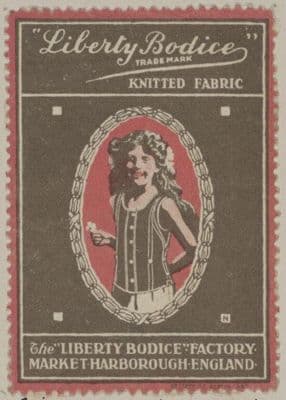
Victorian Late / Bustle → World War I Transition · 50yr72%
SHARED
These two garments trace the arc of the dress reform movement from aspiration to revolution. The Victorian gymnasium suit, with its bloomer trousers tucked beneath a modest dress and cinched with that telling white belt, represents the movement's early compromise—offering women physical freedom while maintaining respectability through familiar silhouettes.
Movement·Dress Reform MovementWorn with·chemiseWorn with·drawers
Pull the Thread→
Follow this garment wherever the graph leads